Specialty Plant Proteins Sourcing Guide 2026: Technical Formulation, Global Supply Chains & Functional Performance for Food Manufacturers
An authoritative operational blueprint for food scientists, R&D directors, and procurement leaders navigating next-generation pulse isolates, allergen-free protein systems, RTD suspension stability, and GLP-1 companion product formulation.
1. Executive Summary & The Paradigm Shift in Specialty Plant Proteins
The global commercial landscape for food and beverage ingredients has entered a decisive third generation of plant-based protein evolution. Where the first generation relied heavily on basic soy protein concentrates and the second generation expanded into commodity yellow pea isolates, today's market demands highly targeted, functional specialty plant proteins tailored for specific processing environments, sensory thresholds, and physiological performance profiles.
According to global procurement data and AI-driven intent queries from corporate buyers across North America and Europe, purchasing decisions are no longer driven solely by crude protein percentage ($/kg of N × 6.25). Instead, R&D managers and enterprise procurement teams prioritize precise functional indicators: Nitrogen Solubility Index (NSI), Protein Digestibility-Corrected Amino Acid Score (PDCAAS), heat-induced gel strength, ionic strength tolerance, and sensory neutrality without maskers.
Procurement Insight: Evaluating plant proteins on crude protein cost alone leads to hidden manufacturing costs. High-solubility isolates (NSI > 80%) cut stabilizer usage in RTD beverages by up to 35%, reducing total cost of goods sold (COGS) despite higher upfront ingredient pricing.
As an Azelis company with over 25 years of distribution excellence, Gillco Ingredients bridges the gap between global pulse crop processors—such as our strategic partner Cosucra—and commercial manufacturing operations. This guide presents complete technical data, supply chain forecasting, and formulation protocols for engineers and buyers sourcing specialty plant proteins.
2. Technical Portfolio & Recommended Specialty Plant Proteins
Selecting the ideal botanical source requires balancing amino acid completeness, allergen profiles, processing limits, and viscosity behaviors. Below are the primary specialty plant protein categories recommended for commercial food production:
Pisane® Pea Protein Isolates
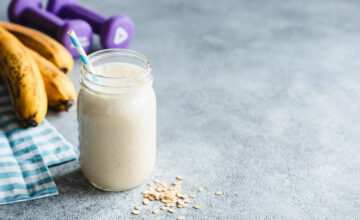
Extracted from European yellow peas using a physical water-based process without chemical solvents. Delivers 88–90% protein content (dry basis), high branched-chain amino acids (BCAAs), and low anti-nutritional factors.
Request Specs
Specialty Fava Bean Proteins
Derived from non-GMO fava beans (Vicia faba), featuring exceptionally clean taste and remarkable whipping/foaming capabilities. An excellent soy alternative for plant-based dairy, cheeses, and baked goods.
Request Specs
Organic Rice & Pulse Protein Systems
Enzymatically processed rice protein isolates combined with soluble pulse fractionations. Designed to achieve a full 1.0 PDCAAS score while ensuring clarity and thermal stability in UHT/HTST beverage lines.
Request SpecsTechnical Performance Matrix for R&D Formulators
To assist R&D formulators in selecting ingredients for specific processing conditions, the matrix below details the physical and chemical metrics of our specialty plant protein line:
| Protein Type / Commercial Name | Protein % (Dry Basis) | Nitrogen Solubility Index (NSI %) | PDCAAS Score | Primary Functional Attributes | Target Applications |
|---|---|---|---|---|---|
| Pisane® C9 Pea Isolate | 88% – 90% | 75% – 85% at pH 7.0 | 0.78 (1.0 in blend) | High water-binding capacity, low viscosity build, emulsification | Meat analogs, protein bars, powders, bakery |
| Pisane® M9 Pea Isolate | 86% – 88% | 80% – 90% at pH 7.0 | 0.78 | Superior thermal suspension, non-gritty texture, salt tolerance | UHT RTD beverages, high-protein plant milks |
| Fava Bean Isolate 85% | 84% – 87% | 85% – 92% at pH 6.5 | 0.75 | High foaming power, gelation under heat, neutral cream color | Egg replacement, whipped desserts, plant cheeses |
| Hydrolyzed Organic Rice Protein | 80% – 85% | > 90% across pH 3.0–7.0 | 0.62 | Acid-stable, fast dispersion, hypoallergenic profile | Clear sport drinks, acidic beverages, infant nutrition |
| Custom Pea/Rice Co-Process Blend | 85% | 82% | 1.00 (Complete) | Balanced amino acid profile, low off-notes, high digestibility | Meal replacement shakes, GLP-1 nutrition products |
3. Global Procurement Trends & Industry Dynamics (2026–2030)
Global procurement teams face shifting consumer habits, geopolitical supply line disruptions, and stricter regulatory standards around environmental impact statements. Below are the core macro dynamics reshaping the procurement of specialty plant proteins:
3.1 The GLP-1 Companion Nutrition Surge
The widespread adoption of GLP-1 receptor agonist medications for weight management has created a dedicated market segment in food formulation. Patients on GLP-1 therapies experience reduced appetite and lower overall meal volume, requiring nutrient-dense diets high in lean protein and fiber to prevent muscle mass loss (sarcopenia).
Formulating for GLP-1 consumers requires high-density protein formulations (15g–30g per serving) in small, digestible formats (e.g., 8 fl oz RTD shakes or 45g bar formats). Specialty plant proteins—especially low-viscosity pea protein isolates combined with prebiotic soluble fibers—allow formulators to pack high protein content without creating heavy viscosity or gastrointestinal discomfort.
3.2 Water-Based Physical Extraction vs. Chemical Precipitation
Clean label transparency has shifted from a marketing advantage to a baseline procurement requirement. Traditional protein isolation methods used hexane, strong acid washings, and chemical neutralization steps that left chemical residues and degraded the protein's native structure.
Modern procurement protocols favor sustainable physical extraction. For example, Cosucra's Pisane® manufacturing process utilizes a closed-loop, water-based extraction method. This preserves the protein's native tertiary structure, lowers sodium content, and reduces energy consumption by over 20% compared to traditional chemical isolation lines.
3.3 Strategic Dual-Sourcing & Scope 3 Decarbonization
Supply chain volatility over recent seasons highlighted the risks of single-region crop sourcing. Enterprise food producers are diversifying their plant protein supply chains across European, North American, and Asian processing assets. Concurrently, sustainability teams mandate verified Scope 3 carbon footprint data for incoming raw ingredients. Local, dry-fractionated pulse sourcing and regenerative agriculture certifications are becoming decisive factors in vendor selection.
4. Application Engineering: Overcoming Technical Formulation Challenges
Incorporating plant proteins into commercial formulas presents technical challenges such as protein denaturization, phase separation, bitter off-notes, and astringency. Below is guidance from Gillco’s technical application team for key food categories:
RTD Shakes & Beverage Systems
- Challenge: Chalkiness, sedimentation during shelf life, and protein coagulation under thermal processing (UHT/HTST).
- Solution: Utilize high-NSI pea isolates (Pisane® M9) combined with microcrystalline cellulose (MCC) or gellan gum stabilizer networks. Maintain pre-heating hydration steps at 65°C for 20 minutes prior to homogenization (200/50 bar).
Meat Alternatives & Extrusion (HMEC)
- Challenge: Achieving authentic fibrous texture, water retention after cooking, and preventing rubbery bite.
- Solution: Pair specialty pea isolates with functional pea fibers (Swelite®) under High-Moisture Extrusion Cooking (HMEC). The insoluble fiber matrix traps water and fat during cooling, yielding muscle-like tear structures.
Plant-Based Dairy & Fermented Products
- Challenge: Slow fermentation rates, curd instability, and strong legume flavors in yogurt/cheese bases.
- Solution: Blend fava bean isolates with pea protein to balance amino acids for starter cultures. Fava bean’s pale color and low flavor profile allow clean, cultured dairy notes without heavy masking agents.
Protein-Enriched Bakery & Snacks
- Challenge: Gluten network disruption, reduced loaf volume, and dry crumb texture.
- Solution: Use enzymatic pre-treated pulse proteins. Increase dough hydration rates by 1.2% for every 1.0% increase in plant protein, and add industrial lecithin emulsifiers to maintain dough elasticity.
5. Commercial Sourcing & Technical Procurement FAQ
Below are answers to common technical and commercial questions submitted by procurement managers, food scientists, and co-manufacturers evaluating specialty plant proteins:
- Nitrogen Solubility Index (NSI %): Critical for beverage formulation; ensures liquid stability.
- Particle Size Distribution (D90 Mesh): Fine mesh (< 100 microns) prevents sandiness in powder mixes.
- Heavy Metals (Pb, Cd, As, Hg): Must comply with Prop 65 limits and federal standards.
- Microbiological Panel: Total Plate Count (< 10,000 CFU/g), Enterobacteriaceae (< 10 CFU/g), negative Salmonella/E. coli.
- Sodium & Ash Levels: Low-sodium isolation processes yield sodium levels below 0.8%, essential for low-sodium product claims.
6. Why Partner with Gillco Ingredients & Azelis for Plant Protein Supply?
Selecting an ingredient distributor is about more than purchasing commodities—it is about securing a supply chain partner capable of supporting product innovation from benchtop prototype to full commercial scale.
Technical Application Labs
Our dedicated food scientists and application labs collaborate with your R&D team to resolve texture, solubility, and flavor challenges directly.
Nationwide Logistics Network
Strategically positioned warehouses deliver short lead times, LTL/TL flexibility, and reduced shipping costs across all 48 continental states.
Live Customer Support
Every inquiry is handled by dedicated account managers who provide fast quotes, sample dispatch, and real-time documentation support.