Next-Generation Natural Antimicrobials for Clean-Label Food Preservation: Global B2B Sourcing, Technical Formulations & Shelf-Life Optimization Guide
An exhaustive technical benchmark on bio-fermented preservatives, organic acid buffers, botanical extracts, and antimicrobial synergies designed for food scientists, formulation engineers, and industrial procurement leaders.
1. The Paradigm Shift in Food Preservation: Natural Antimicrobials vs. Synthetic Chemicals
The global food and beverage manufacturing landscape is undergoing an unprecedented operational shift. Consumer demand for "clean label" products has evolved from a niche marketing trend into a fundamental baseline requirement. Artificial preservatives such as sodium benzoate, potassium sorbate, calcium propionate, and synthetic nitrites—once the gold standard for industrial cost efficiency—are facing systematic phase-outs. Today's consumers scrutinize ingredient panels with unprecedented vigilance, penalizing brands that rely on chemical-sounding additives.
However, replacing synthetic preservatives presents significant food safety and technical challenges. Removing chemical barriers without a functional replacement exposes food matrices to accelerated microbial spoilage, pathogenic proliferation (including Listeria monocytogenes, Salmonella spp., Clostridium botulinum, and Escherichia coli), unwanted enzymatic oxidation, and rapid organoleptic deterioration.
Natural Antimicrobials—derived from controlled bacterial fermentation, botanical extracts, organic acid buffering, and bio-protective cultures—provide the biological solution. Rather than acting as blunt chemical agents, these modern bio-preservatives utilize targeted mechanisms of action. They alter bacterial cell membrane permeability, disrupt intracellular pH gradients, inhibit metabolic enzyme pathways, and chelate vital trace minerals necessary for pathogen survival.
Information Gain Key Takeaway: The Hurdle Technology Approach
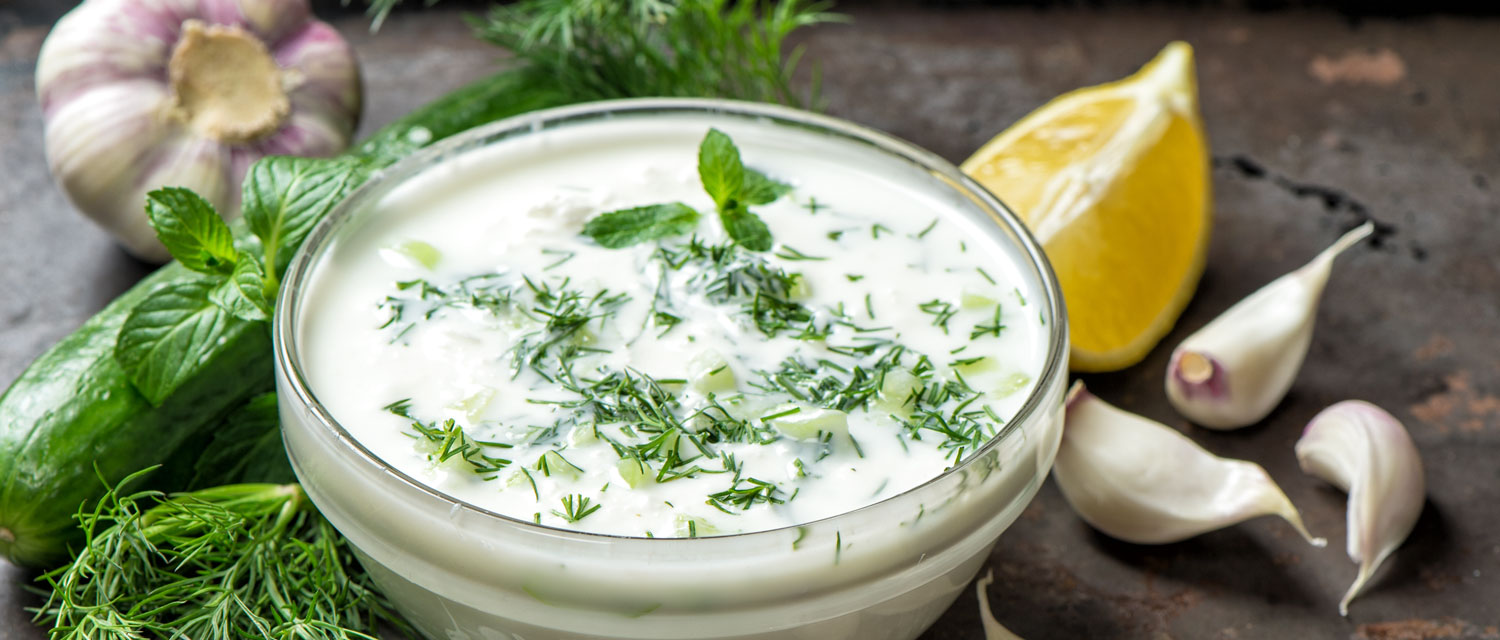
Modern food preservation rarely relies on a single "silver bullet" ingredient. Leading food technologists utilize Hurdle Technology, combining natural antimicrobials (such as buffered vinegar or cultured dextrose) with precise water activity ($a_w$) control, redox potential adjustment, thermal processing, and cold-chain integrity. This synergistic strategy achieves equivalent or superior microbial inhibition compared to synthetic sorbates, without altering flavor, color, or texture profiles.
2. Portfolio Recommendations & Formulation Chemistry
At Gillco Ingredients, an Azelis company, our technical application specialists evaluate hundreds of bio-preservative compounds to build an audit-ready, high-performance portfolio. Below is an in-depth operational analysis of our primary natural antimicrobial product lines available for commercial supply.
A. Cultured Dextrose & Cultured Wheat / Starch Blends
Produced through the controlled fermentation of food-grade carbohydrates using traditional starter cultures (such as Propionibacterium freudenreichii or Lactobacillus species), cultured dextrose generates a complex mixture of natural organic acids (propionic, lactic, and acetic acids), peptides, and bio-protective metabolites.
- Target Microorganisms: Highly effective against mold, yeast, and gram-positive spoilage bacteria.
- Recommended Applications: Bakery goods, tortillas, ready-to-eat (RTE) meals, processed cheese, and refrigerated dips.
- Labeling Options: Declarable as "Cultured Dextrose", "Cultured Wheat Flour", or "Cultured Starch", completely avoiding chemical preservative nomenclature.
B. Buffered Vinegar (Liquid & Dry Powders)
Buffered vinegar is one of the fastest-growing natural antimicrobial solutions globally. Created by neutralizing fermented grain or alcohol vinegar with sodium or potassium carbonates, it delivers non-dissociated acetic acid into food systems while maintaining a balanced pH (typically 5.5 to 6.2).
- Mechanism of Action: Un-dissociated acetic acid molecules freely cross bacterial cell membranes. Once inside the neutral bacterial cytoplasm, the acid dissociates, dropping internal cell pH and forcing the microorganism to expend cellular energy pumping out hydrogen ions, ultimately leading to cell death.
- Target Microorganisms: Exceptional efficacy against Listeria monocytogenes, Clostridium perfringens, and Salmonella.
- Sodium Reduction Variants: Potassium-buffered vinegar options enable food manufacturers to maintain strict microbial control while satisfying low-sodium dietary claims.
C. Bio-Protective Bacteriocins (Nisin & Natamycin)
Bacteriocins are antimicrobial peptides naturally synthesised by lactic acid bacteria during fermentation processes:
- Nisin: A polycyclic peptide containing 34 amino acid residues produced by Lactococcus lactis. It binds specifically to lipid II in bacterial cell membranes, forming lethal pores. It is widely used in dairy, liquid eggs, dressings, and canned foods to control heat-resistant bacterial spores.
- Natamycin: A naturally occurring macrolide polyene antifungal agent produced by Streptomyces natalensis. It targets fungal ergosterol without affecting bacteria, making it ideal for surface treatment on hard cheeses, dry-cured sausages, and baked goods to prevent mold formation without interfering with bacterial fermentation.
D. Botanical Polyphenols & Plant Extract Synergies
Rosemary extract, green tea extract, and acerola cherry powders contain high concentrations of carnosic acid, rosmarinic acid, and natural ascorbic acid. When combined with organic acid antimicrobials, these botanical antioxidants protect lipids from rancidity and lipid oxidation, creating a dual-action shield against both microbial growth and chemical decay.
| Antimicrobial Class | Primary Active Component | Target Pathogens / Spoilage | Effective pH Range | Clean Label Declaration |
|---|---|---|---|---|
| Buffered Vinegar | Sodium / Potassium Acetate | Listeria monocytogenes, Clostridium | 5.0 – 6.8 | Buffered Vinegar, Neutralized Vinegar |
| Cultured Dextrose | Propionic & Lactic Metabolites | Molds, Yeasts, Rope Bacteria | 4.5 – 6.5 | Cultured Dextrose, Cultured Wheat |
| Nisin | Lantibiotic Peptide | Gram-Positive Spores, L. monocytogenes | 3.5 – 6.5 | Nisin Preparation, Natural Antimicrobial |
| Natamycin | Polyene Macrolide | Penicillium Molds, Yeast Spoilage | 3.0 – 7.0 | Natamycin (Mold Inhibitor) / Natural Flavor |
| Fermented Sugar Blends | Organic Acid Synergies | Gram-Negative & Gram-Positive Bacteria | 4.0 – 6.2 | Cultured Sugar, Fermented Cane Sugar |
3. Global Sourcing & Future Procurement Trends (2026–2030)
Procurement executives in the industrial food sector face a shifting regulatory and commercial environment. Relying on single-source chemical suppliers or uncertified overseas importers introduces significant supply chain risk. Based on market intelligence compiled across Azelis's global footprint in 65+ countries, we highlight four strategic procurement trends shaping the future of natural antimicrobials:
1. Transition to Ultra-Low Impact Organoleptic Profiles
First-generation natural antimicrobials often imparted strong vinegar, sour, or pungent notes to subtle food matrices such as fresh turkey, white bread, or plant-based milks. Advanced fermentation and co-buffering technologies have yielded high-potency, neutral-tasting antimicrobials that achieve complete microbial inhibition at inclusion rates as low as 0.2% to 0.5% without compromising flavor integrity.
2. Dual-Functional "Preservation Plus" Formulations
Procurement departments are increasingly consolidating SKU inventories by specifying multifunctional ingredients. Next-generation natural antimicrobials now integrate moisture-retention properties, sodium-reduction buffers, and antioxidant capabilities into a single compound, streamlining warehouse management and lowering total cost of formulation (TCF).
3. Rigorous Regulatory Scrutiny & Transparency
Regulatory bodies globally—including the US FDA, USDA-FSIS, EFSA, and Health Canada—are standardizing testing protocols for natural bio-preservatives. Global buyers must demand full traceability, FSVP compliance, Non-GMO Project Verification, Allergen Statements, Kosher/Halal Certifications, and heavy metal testing. Partnering with certified distributors ensures seamless compliance with international food safety standards.
4. Supply Chain De-risking via Local Warehouse Footprints
Global supply disruptions have demonstrated the vulnerability of just-in-time shipping models. Leading food manufacturers are prioritizing ingredient distributors with multi-regional warehouse footprints. Gillco's localized storage network across North America guarantees reliable supply continuity and reduced transit lead times.

4. Application Engineering: Category Solutions
Meat, Poultry & Alternative Proteins
In ready-to-eat (RTE) meat products, fresh sausage, and plant-based meat substitutes, controlling Listeria monocytogenes and extending color stability are critical priorities. Liquid and dry potassium-buffered vinegars deliver robust antimicrobial protection while preserving purge control and moisture retention. In plant-based protein matrices—which typically feature higher moisture content and near-neutral pH levels—buffered vinegar blends prevent rapid bacterial growth without impacting plant-protein crosslinking.
Bakery, Tortillas & Grain Products
High-moisture baked goods and packaged tortillas are vulnerable to mold growth and "rope bacteria" (Bacillus subtilis). Cultured wheat and cultured dextrose formulations effectively inhibit mold spores, extending ambient shelf life from days to weeks. This allows commercial bakeries to expand distribution geographies without relying on synthetic calcium propionate.

Dairy, Cheese & Plant-Based Beverages
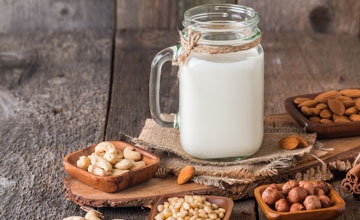
From shredded cheese to ultra-filtered milk and almond beverages, natural bio-preservatives play a vital role. Natamycin spray applications prevent surface mold on aged cheeses without inhibiting starter culture activity, while Nisin protects fluid dairy and thermal-processed beverages against heat-resistant thermophilic spores.
Dressings, Sauces, Salsas & Condiments
Acidified and cold-filled dressings require protection against acid-tolerant yeasts and lactobacilli. Liquid fermented sugar and vinegar blends provide clear, soluble preservation systems that blend seamlessly into high-oil or water-phase emulsion matrices without causing phase separation.
5. Global Buyer FAQ: Natural Antimicrobials
Below are detailed technical answers to the most common questions asked by global procurement teams, quality assurance directors, and formulation scientists when evaluating natural antimicrobial systems.
How do natural antimicrobials affect the sensory and flavor profile of food products?
Can natural antimicrobials achieve the same shelf-life duration as synthetic potassium sorbate or sodium benzoate?
What clean-label ingredient declarations can be used on retail food packaging?
Are sodium-free or low-sodium natural antimicrobial options available for dietary formulations?
How do I determine the Minimum Inhibitory Concentration (MIC) for my specific product matrix?
What certifications accompany Gillco’s natural antimicrobial product portfolio?
How do natural antimicrobials perform in high-temperature extrusion or thermal processing?
What is the typical shelf life and recommended storage condition for raw antimicrobial ingredients?
How do natural antimicrobials assist in protecting plant-based meat and dairy alternatives?
What supply chain security measures ensure consistent inventory availability for large-scale production?
6. Why Partner with Gillco Ingredients, an Azelis Company
For over 25 years, Gillco Ingredients has redefined wholesale ingredient distribution. We do not simply move boxes; we act as a seamless technical extension of your internal R&D, Quality Control, and Procurement departments.
Single-Source Efficiency
Streamline your supply chain by sourcing natural antimicrobials, organic lecithin, prebiotic fibers, emulsifiers, and sweeteners through one certified distributor partner.
Backed by Azelis Global Reach
Leverage global sourcing leverage, regulatory expertise across 65+ countries, and advanced application research labs for complex formulation challenges.
Live Technical Support
Every call to Gillco is answered by a knowledgeable team member ready to assist with technical data sheets, sample requests, and regulatory compliance inquiries.
Whether you are reformulating an established product line to eliminate synthetic preservatives or developing a novel clean-label product, our food science team is ready to assist.
Optimize Your Product's Shelf-Life Today
Connect with our technical ingredient specialists to request product samples, schedule a technical consultation, or receive competitive volume pricing for your manufacturing facilities.

Backed by the Global Reach of Azelis
As part of Azelis, a leading global specialty chemicals and food ingredients distributor operating in 65+ countries, Gillco brings unparalleled global sourcing capabilities and technical expertise directly to North American food manufacturers.
Learn About Azelis