
1. Executive Overview: Starch Rheology & Polymer Architecture
In modern commercial food processing, Industrial Starches function as structural cornerstones, dictating viscosity, moisture migration, retrogradation kinetics, and organoleptic mouthfeel. From high-shear thermal extrusion to low-pH ultra-high-temperature (UHT) liquid sterilization, selecting the precise industrial starch polymer architecture is the difference between product structural stability and catastrophic phase separation or syneresis.
At the molecular level, industrial starches are composed of two distinct glucose homopolymers: linear amylose (α-1,4 glycosidic bonds) and highly branched amylopectin (α-1,4 and α-1,6 glycosidic branch points). The ratio between amylose and amylopectin dictates thermal gelatinization behavior, paste clarity, gel strength, and cold-storage retrogradation resistance.
Technical Gain: Amylose vs. Amylopectin Dynamic in Processing
High-amylose starches (e.g., amylomaize with 50–70% amylose) readily form strong, opaque gels and film barriers due to rapid hydrogen bonding alignment, making them suitable for crisping batters and extruded snacks. Conversely, waxy starches (>99% amylopectin) resist retrogradation and gel formation entirely, yielding brilliant paste clarity and exceptional freeze-thaw stability required for frozen sauces and emulsified gravies.
When food developers evaluate industrial starches under Brabender amylograph or Rapid Visco Analyzer (RVA) profiling, three critical mechanical transitions must be quantified: Gelatinization Onset Temperature (Tg), Peak Viscosity, and Breakdown / Setback Viscosity. Achieving optimal rheology requires balancing these thermal parameters against mechanical shear rate, thermal input, ionic strength, and solvent water activity (aw).
2. Industrial Starch Portfolio & Botanical Source Comparison
Commercial selection begins with the botanical source. Botanical origin establishes granule size distribution, natural lipid/protein content, phosphate monoester binding, and initial gelatinization temperature range.
| Botanical Source | Amylose Content | Gelatinization Temp (°C) | Granule Morphology | Key Functional Characteristics |
|---|---|---|---|---|
| Tapioca (Cassava) | 17% – 20% | 62°C – 68°C | Spherical, 5–25 μm | Neutral flavor, smooth elastic texture, low retrogradation, brilliant clarity. |
| Waxy Maize (Corn) | < 1% | 63°C – 72°C | Polyhedral, 5–20 μm | Non-gelling, heavy body viscosity, exceptional freeze-thaw resistance. |
| Potato | 20% – 23% | 58°C – 65°C | Oval/Spherical, 15–100 μm | Very high peak viscosity, low gelatinization temp, bound phosphate ester groups. |
| Dent Corn (Regular) | 25% – 28% | 72°C – 80°C | Polyhedral, 10–30 μm | Sets to firm opaque gel, economical, high shear tolerance when modified. |
| Wheat Starch | 24% – 27% | 58°C – 64°C | Bimodal (A-type 20-35μm, B-type 2-10μm) | Soft gel structure, excellent bakery crumb texture, high synergy with gluten. |
For specialized applications, understanding these raw botanical differences allows R&D teams to substitute ingredients effectively when raw material supply constraints arise globally.
3. Chemical, Physical & Enzymatic Modifications Explained
While native starches offer clean-label appeal, their native structural integrity often collapses under severe industrial conditions such as low pH (< 3.5), high physical shear (homogenizers, scraped-surface heat exchangers), and extended freeze-thaw temperature cycling. To withstand these operational stresses, starches undergo controlled modifications:
A. Chemical Modification Pathways
- Cross-Linking (Distarch Phosphate, Adipate): Introduces covalent ester linkages between hydroxyl groups of adjacent starch molecules. This reinforces the granule structure, preventing over-swelling, breakdown under thermal shear, and viscosity loss in acidic media.
- Substitution / Etherification (Hydroxypropyl Starch, Acetylated Starch): Introduces bulky side groups along the polymer chain to sterically hinder amylose chain alignment. This prevents retrogradation, syneresis, and opacity development during refrigerated or frozen storage.
- Acid Thinning & Oxidation: Cleaves glycosidic bonds to reduce hot-paste viscosity while maintaining high gel strength upon cooling. Ideal for gummy candy molding and high-solids jet-cooking.
B. Physical & Thermal Modification (Clean Label Alternatives)
Driven by consumer demand for recognizable back-panel ingredient statements ("Clean Label"), physical modifications modify starch granules using thermal moisture treatment (TMT), pre-gelatinization (drum-drying/spray-drying), or physical compaction. These processes rearrange starch crystalline regions to deliver cross-linked performance without chemical reagents, enabling simple labeling as "Tapioca Starch" or "Corn Starch".
4. Application-Specific Starch Recommendation Matrices
To assist formulation scientists in matching rheological performance to target food systems, our technical team has engineered optimized starch recommendations across primary commercial categories:
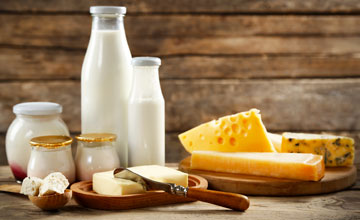
Dairy & Plant-Based Dairy Alternatives
Use hydroxypropylated cross-linked waxy tapioca or physical clean-label tapioca starches. Provides velvety texture, prevents whey separation (syneresis), and survives UHT processing and high-pressure homogenization.

Bakery, Tortillas & Gluten-Free Formulations
Pre-gelatinized modified starches provide dough binding, moisture retention, and crumb softness over shelf-life. Resistant starches (RS4) serve as dual-purpose insoluble fibers for GLP-1 nutrition profiles.

Gravies, Acidic Sauces & Retort Meals
Acetylated distarch adipates (waxy maize or tapioca base) withstand shear rates up to 10,000 s-1 and pH values down to 3.0 during thermal retort retarding syneresis over 24-month shelf life.

GLP-1 & Satiety Nutra-Bars
Enzymatically modified slow-digesting resistant starches lower glycemic index (GI) response while enhancing satiety signals, supporting next-generation clinical metabolic nutrition formulations.
5. Future Procurement & Technological Trends (2026–2030)
The global industrial starch market is undergoing structural shifts driven by geopolitical volatility, climate-induced crop yield shifts, and radical advances in predictive rheology modeling:
1. AI-Driven Rheology & Blending Algorithms
Formulation software now utilizes predictive molecular dynamics to simulate how multi-component hydrocolloid-starch systems (e.g., tapioca starch combined with xanthan gum or pectin) perform under thermal processing. This cuts pilot line testing cycles by up to 60%.
2. Regenerative Agricultural Sourcing & ESG Traceability
Global food conglomerates are enforcing carbon-footprint caps across Scope 3 upstream supply chains. Industrial starch procurement managers must secure Non-GMO Project Verified, organic certified, and carbon-neutral audited starches sourced from farms utilizing cover crops and low-tillage practices.
3. Decoupling Supply Chain Dependencies (Dual-Sourcing Frameworks)
Historical reliance on single-region tapioca or European potato starch harvests has created vulnerability to regional weather events and freight bottlenecks. Forward-thinking procurement strategies mandate dual-botanical functionality—formulating products with functional equivalence between waxy corn and waxy tapioca starches to seamlessly switch inputs depending on spot pricing and global availability.
6. Strategic Advantage: Sourcing Industrial Starches via Gillco Ingredients
Navigating technical ingredient specification and supply chain volatility requires more than a broker—it demands an integrated supply chain partner. Gillco Ingredients, an Azelis company, delivers a unified distribution ecosystem tailored to North American manufacturers.
- 25+ Years of Specialized Distribution: Trusted supplier of premium organic, Non-GMO, and specialty functional ingredients.
- Azelis Global Infrastructure: Direct access to global primary processors across Asia, Europe, and South America, guaranteeing supply security and batch traceability.
- Coast-to-Coast Warehousing Network: Strategic inventory reserves located across North America reduce transit lead times and mitigate freight cost surges.
- Live Technical Support & Regulatory Compliance: Comprehensive documentation support including COAs, Safety Data Sheets (SDS), Kosher, Halal, Allergen Statements, and FSMA compliance delivered on demand.
7. Frequently Asked Questions (FAQ) for Industrial Starch Buyers
Direct answers to high-intent questions frequently addressed by technical sales managers, food scientists, and procurement teams:
Ready to Request Samples or Technical Specifications?
Connect directly with our senior application scientists and ingredient distribution specialists today.
Contact Us