1. The Bio-Physiological Paradigm Shift: Understanding GLP-1 Companion Nutrition
The rapid global adoption of GLP-1 receptor agonists (such as semaglutide, tirzepatide, and retatrutide) represents one of the most profound shifts in human metabolic intervention of the 21st century. While these therapeutic peptides slow gastric emptying, reduce central nervous system appetite signals, and modify insulin secretion, they simultaneously create a novel set of dietary challenges for patients. Consumer research demonstrates that individuals undergoing GLP-1 treatment experience drastic caloric deficits—often consuming between 30% and 50% fewer daily calories.
However, reduced volume does not equate to reduced nutritional necessity. In fact, GLP-1 therapy dramatically accentuates the demand for nutrient density per gram of food consumed. Without intentionally designed, micro-nutrient-dense, high-protein, and high-fiber foods, consumers face significant physiological complications, including:
- Sarcopenic Muscle Attenuation: Rapid caloric deficits can induce muscle mass loss, accounting for up to 25–40% of total weight reduction if lean mass is not supported by complete protein profiles with high DIAAS (Digestible Indispensable Amino Acid Score) values.
- Gastrointestinal Dysmotility & Distress: Delayed gastric transit times frequently cause nausea, constipation, acid reflux, or bloating when meals contain unbuffered fats, rapidly fermentable short-chain sugars, or poor textural viscosity.
- Micronutrient Deficiencies & Appetite Aversion: Lower food intake restricts intake of essential vitamins, trace minerals, and prebiotic substrates necessary for microbiome maintenance, while altered taste perception can cause severe food aversions.
For industrial food manufacturers, formulating GLP-1 Friendly Food Ingredients requires a departure from legacy "diet food" strategies (which historically relied on bulk air, water substitution, or high artificial sweetener loads). Today’s formulation science focuses on metabolic optimization: delivering maximum bioavailability, GI comfort, micro-viscosity control, and clean satiety signals in concentrated, small-portion food formats.

Figure 1: Developing target matrices for GLP-1 companion products requires precise balancing of high-density plant proteins and prebiotic soluble fibers.
Information Gain Concept: Formulating for GLP-1 patients is not simply about sugar reduction. It is a dual-vector challenge: minimizing gastrointestinal osmotic stress while maximizing bio-available leucine and fermentable prebiotic fiber ratios to preserve lean tissue and gut lining integrity.
2. Core Functional Ingredients for GLP-1 Formulation Matrices
To successfully build a GLP-1 friendly product portfolio across ready-to-drink (RTD) beverages, extruded bars, functional bakery, dairy, and spoonable formats, R&D teams must deploy functional ingredients that solve structural, sensory, and metabolic constraints simultaneously. Below are the five essential ingredient categories recommended by Gillco Ingredients for GLP-1 companion formulation.
2.1 Prebiotic Soluble Fiber Systems: Chicory Root Inulin & Oligofructose
Soluble dietary fiber is a foundational component of GLP-1 companion nutrition. While GLP-1 pharmaceuticals deliver synthetic GLP-1 analogues exogenously, natural fermentable fibers stimulate L-cells in the distal ileum to produce endogenous GLP-1, PYY, and short-chain fatty acids (SCFAs)—specifically acetate, propionate, and butyrate.
Gillco provides high-purity Chicory Root Inulin and Oligofructose (Fructo-oligosaccharides / FOS) supplied by world-class partner Cosucra. These soluble fibers offer specific formulation mechanisms:
- Viscosity Control without Gelling: High-DP (Degree of Polymerization) inulin provides body, creaminess, and lipid-mimicking fat replacement without adding excessive rheological thickness to RTD beverages.
- GI Comfort & Microbiome Nourishment: Chicory root fiber preferentially feeds beneficial Bifidobacteria and Akkermansia muciniphila, promoting intestinal mucosal mucosal barrier health, which can be compromised during sustained low-calorie intakes.
- Moisture Retention in High-Protein Bars: Native oligofructose acts as a natural humectant, preventing the hardening ("bar hardening phenomenon") typical of high-protein snack formulations over shelf-life.

Figure 2: Chicory root derived soluble fibers provide low-glycemic bulking, prebiotic enhancement, and texture building in low-volume foods.
2.2 Specialty Plant Proteins & Clean-Taste Isolates
Sarcopenia prevention is the single most urgent nutritional goal for GLP-1 consumers. To achieve 20–30 grams of protein per 150–200 kcal serving without imparting dry, gritty, or astringent notes, food scientists utilize highly purified plant protein isolates.
Through our primary partnership with Cosucra (Pisane® Pea Protein), Gillco supplies non-GMO, gluten-free, and allergen-friendly pea protein isolates with technical superiority:
- High Solubility & Low Viscosity: Advanced extraction techniques ensure exceptional Nitrogen Solubility Index (NSI) across neutral and acidic pH ranges, enabling smooth mouthfeel in shakes and spoonables.
- Essential Amino Acid Profile: Rich in branched-chain amino acids (BCAAs)—leucine, isoleucine, and valine—essential for triggering mammalian target of rapamycin (mTOR) activation and muscle protein synthesis.
- Off-Note Neutralization: Low lipoxygenase activity minimizes traditional "beany" or earthy off-flavors, drastically reducing the need for masking agents or heavy artificial flavor loads.
2.3 Clean-Label Emulsifiers & Phospholipids: Industrial Lecithins
With delayed gastric transit, high-fat meals can cause severe discomfort for GLP-1 users. Replacing heavy lipid phase fats with structured micro-emulsions requires robust emulsification. Gillco offers comprehensive Non-GMO Soy and Sunflower Lecithin fractions (liquid, de-oiled powder, and organic options) sourced from Cargill.
Phospholipids play a critical multi-functional role in GLP-1 matrices:
- Lipid Phase Dispersion: Reduces oil droplet size in nutrient drinks and sauces, accelerating lipase access and easing digestion.
- Protein Wetting Agent: De-oiled sunflower lecithin powders improve the instantaneous dispersion of high-protein dry powders into liquids without clumping.
- Mouthfeel & Lubricity: Recreates the rich, indulgent sensation of full-fat foods at a fraction of the lipid calorie count.
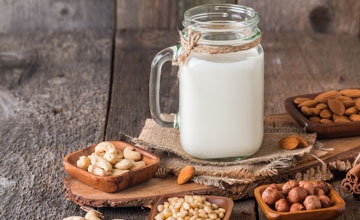
Figure 3: Emulsifiers, lecithins, and tailored gum systems ensure phase stability and creaminess in protein-fortified beverages and non-dairy bases.
2.4 Bio-Preservation & Natural Antimicrobial Systems
GLP-1 friendly formulations frequently incorporate elevated moisture levels, native plant proteins, and soluble fibers. These conditions elevate water activity ($a_w$) and total nitrogen content, rendering products highly susceptible to microbial degradation, yeast, and mold spoilage.
To preserve fresh quality without resorting to chemical preservatives like sodium benzoate or potassium sorbate, Gillco supplies clean-label Natural Antimicrobial Systems from Corbion. These include buffered vinegars, fermented sugar systems, and natural fermentate concentrates:
- Pathogen Inhibition: Effective control of Listeria monocytogenes, Clostridium species, and mold spoilage across high-protein bakery, refrigerated meals, and meat snacks.
- Flavor Neutrality: Precision buffering ensures minimal impact on final product acidity or taste profile.
- Clean Label Compliance: Declared simply as "Buffered Vinegar" or "Cultured Sugar," aligning with consumer demand for natural ingredients.
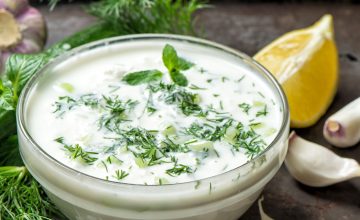
Figure 4: Natural antimicrobials protect high-protein, high-moisture GLP-1 products from microbial spoilage while maintaining a clean ingredient deck.
2.5 Bulk Sweeteners & Low-Glycemic Osmotic Balance
Because GLP-1 therapies improve glycemic regulation, companion foods must avoid inducing glucose spikes and insulin surges. Industrial low-glycemic bulk sweeteners—such as Organic Erythritol, Allulose, and premium Stevia Glycoside (Reb M / Reb D) extracts—enable formulators to achieve desirable sweetness profiles while managing water activity and osmotic load.
| Ingredient Category |
Primary Bio-Functional Role |
Key Rheological / Sensory Benefit |
Target GLP-1 Application Format |
| Chicory Inulin / FOS |
Prebiotic fiber, endogenous GLP-1 stimulant |
Fat mimicry, moisture retention, low glycemic bulking |
RTD Shakes, Fiber Bars, Yogurt Bases |
| Pisane® Pea Protein Isolate |
Sarcopenia prevention, leucine delivery |
High solubility, low NSI viscosity, low off-note |
High-Protein Shakes, Extruded Snacks, Soups |
| De-oiled Sunflower Lecithin |
Phospholipid emulsification, protein dispersibility |
Instantizing powder, lipid dispersion, lubricity |
Meal-Replacement Powders, Functional Sauces |
| Buffered Vinegar (Corbion) |
Bio-preservation, shelf-life extension |
Inhibits yeast/mold/pathogens without chemical preservatives |
High-Moisture Protein Bars, Chilled Meals |
| Organic Erythritol / Stevia |
Zero-glycemic sweetening, osmotic tuning |
Clean sweetness, water activity reduction, zero sugar load |
Functional Confectionery, RTD Drinks, Desserts |
3. Micro-Formulation Dynamics & Procurement Trends (2026–2030)
As the GLP-1 user base expands from millions to tens of millions globally, consumer expectations are evolving rapidly. Food manufacturers who proactively adapt their ingredient sourcing strategies will capture significant market share over the next decade. Gillco’s market analytics highlight three major micro-formulation trends:
Trend 1: The Transition from "Low-Calorie" to "Concentrated Bio-Availability"
Historical weight loss products relied heavily on high-water, high-air, high-gel structures to fill the stomach mechanically. In contrast, GLP-1 consumers already experience physiological gastric fullness. Forcing high-volume, low-density foods upon these consumers leads to discomfort and meal abandonment. Procurement teams are shifting toward high-concentration, small-volume matrices—such as 100ml nutrient shots, 45g nutrient-dense bars, and 150g micro-meals packed with complete proteins, soluble fibers, and essential lipids.

Figure 5: Concentrated nutrient density requires refined hydrocolloid stabilization to maintain smooth viscosity in high-solids formulations.
Trend 2: Dual-Action Fiber Matrices (Fermentable + Viscous)
Product developers are increasingly formulating with multi-component fiber systems. By pairing highly fermentable short-chain fructans (FOS) with medium-viscosity acacia fibers or soluble corn fibers, formulators achieve a balanced fermentation gradient along the entire colon. This minimizes rapid gas buildup in the ascending colon while maintaining consistent SCFA production through the transverse and descending colon.
Trend 3: Clean-Label & Non-GMO Transparency
GLP-1 medication users are inherently health-focused consumers who scrutinize product ingredient labels. Artificial colors, synthetic emulsifiers (like polysorbates or DATEM), and chemical preservatives create immediate brand friction. Sourcing USDA Organic certified, Non-GMO Project Verified, and allergen-free ingredients—such as organic pea protein, organic lecithin, and natural fermentates—is now a critical prerequisite for retail shelf success.
4. Global Procurement & Technical Formulation FAQ
Below are technical answers to the questions most frequently posed by food scientists, brand owners, and global procurement officers formulating GLP-1 companion products.
Q1: How do prebiotic soluble fibers complement exogenously administered GLP-1 receptor agonist medications?
Answer: While pharmaceutical GLP-1 medications target central receptors directly, prebiotic soluble fibers (such as chicory root inulin and FOS) undergo colonic fermentation by beneficial gut bacteria. This microbial breakdown produces short-chain fatty acids (acetate, propionate, butyrate) that bind to free fatty acid receptors (FFAR2/FFAR3) on enteroendocrine L-cells. This pathway supports natural, endogenous metabolic signaling, promotes gut barrier integrity, mitigates constipation, and fosters a balanced gut microbiome during periods of severe caloric restriction.
Q2: What are the main sensory and rheological challenges when formulating high-protein, low-volume foods, and how can they be solved?
Answer: High protein loading often introduces dry, chalky textures, astringency, phase separation, and rapid "bar hardening." These issues can be solved by combining high-solubility plant protein isolates (like Pisane® Pea Protein) with functional emulsifiers (such as de-oiled sunflower lecithin) and humectant fibers (oligofructose). Sunflower lecithin lowers interfacial tension between protein suspensions and moisture, preventing protein aggregation and maintaining soft, cohesive textures over time.
Q3: How can formulators prevent gastrointestinal distress (gas, bloating) in GLP-1 companion foods containing high fiber loads?
Answer: Rapid fermentation of single-source, short-chain sugars can overwhelm gut microflora, causing gas build-up. Formulators should engineer a balanced fiber profile by combining fast-fermenting prebiotic FOS with slower-fermenting long-chain inulin or acacia fiber. Additionally, titrating dosage to deliver 3 to 6 grams of fiber per serving—rather than mega-dosing 15+ grams in a single portion—ensures superior digestive tolerance for consumers with delayed gastric motility.
Q4: Why are natural antimicrobials preferred over chemical preservatives in high-protein GLP-1 formulations?
Answer: High-protein, high-moisture GLP-1 foods often exhibit neutral pH levels and high water activity ($a_w$), creating an ideal environment for bacterial and mold proliferation. Clean-label natural antimicrobials (like Corbion's buffered vinegars and fermented sugar concentrates) effectively inhibit pathogens like Listeria monocytogenes and spoilage organisms without disrupting the natural flavor profile or compromising "clean label" messaging. Chemical preservatives like sodium benzoate are increasingly rejected by health-conscious GLP-1 consumers.
Q5: What supply chain considerations are essential when sourcing GLP-1 friendly ingredients globally?
Answer: Demand spikes for functional fibers and allergen-free plant proteins can create localized supply deficits. Procurement teams should partner with established, single-source distributors capable of providing robust lot-to-lot traceability, guaranteed non-GMO verification, organic certifications, and strategic domestic warehousing. Partnering with a distributor backed by global logistics networks ensures reliable ingredient availability and mitigates lead-time risks.
5. Why Partner with Gillco Ingredients & Azelis?
Navigating the complex formulation requirements of the GLP-1 nutrition revolution requires more than standard ingredient sourcing; it requires deep technical expertise, regulatory clarity, and a reliable supply chain. For over 25 years, Gillco Ingredients has served as a trusted single-source industrial ingredient supplier for North America’s leading food and beverage manufacturers.

Figure 6: Our application specialists leverage global R&D resources to assist manufacturers from initial concept to commercial scale-up.
As an Azelis company, Gillco combines localized technical sales support with global sourcing scale across 65+ countries. When you collaborate with Gillco, your team gains access to unmatched structural capabilities:
- World-Class Supplier Portfolio: Single-source access to premier manufacturers, including Cargill, Cosucra, Corbion, IFF, FrieslandCampina, Syensqo, and Bio-Botanica.
- Nationwide Distribution Network: Strategic warehouse locations across the continental United States ensure fast, reliable transit, reduced freight costs, and inventory security across all 48 contiguous states.
- Application & Technical Formulating Labs: Our dedicated food scientists assist with bench-top trial design, viscosity tuning, flavor optimization, and shelf-life testing.
- Certified Clean-Label Solutions: Comprehensive options for USDA Organic, Non-GMO Project Verified, Gluten-Free, Kosher, and Halal product certifications.
- Personalized Customer Service: Every call is answered by an experienced, knowledgeable team member dedicated to accelerating your development timelines.
Accelerate Your GLP-1 Product Formulations
Ready to reformulate existing products or introduce next-generation GLP-1 companion foods? Contact our technical sales team today for sample requests, technical data sheets (TDS), regulatory documentation, and custom formulation support.
Inquire Now