Food Emulsifiers & Functional Enzymes: B2B Sourcing, Technical Synergy & Clean-Label Formulation Trends
A comprehensive guide for global procurement managers, food scientists, and R&D directors on optimizing interfacial tension, retarding amylopectin retrogradation, and transitioning toward clean-label bio-emulsification.
Executive Technical Overview: The Bio-Chemical Architecture of Emulsifiers & Functional Enzymes
In modern industrial food manufacturing, the structural integrity, sensory appeal, and thermodynamic stability of packaged goods depend almost entirely on two vital ingredient categories: Food Emulsifiers and Functional Enzymes. Historically treated as distinct formulation components, today’s advanced food processing technologies leverage the intimate biophysical synergy between synthetic or natural amphiphilic surface-active agents and bio-catalytic enzymes. As global consumer demand shifts aggressively toward clean-label, non-GMO, and ultra-processed food (UPF) alternatives, procurement managers and R&D directors face a complex operational imperative: maintaining high-speed line efficiency and extended shelf-life while streamlining ingredient decks.
At Gillco Ingredients (an Azelis company), our 25+ years of specialized ingredient distribution across North America have demonstrated that solving complex colloidal instability—such as fat bloom in confectionery, syneresis in cultured dairy, crumb staling in industrial bakeries, or phase separation in plant-based milks—requires a deep understanding of hydrophobic-lipophilic balance (HLB), protein-lipid molecular crosslinking, and substrate-specific enzymatic kinetics.
Key Information Gain: The Molecular Synergy Model
Traditional emulsifiers reduce interfacial tension ($\gamma$) at the oil-water interface to stabilize emulsions against Ostwald ripening, coalescence, and creaming. Functional enzymes (such as lipases and phospholipases) operate dynamic in-situ modifications, cleaving endogenous flour lipids or dairy triglycerides into monoacylglycerols and lysolecithins. When combined with exogenous anti-staling maltogenic amylases and xylanases, formulators achieve superior viscoelasticity and moisture retention—often permitting a 30% to 100% reduction in synthetic E-number emulsifiers like DATEM or SSL.
1. Interfacial Physics & Enzymatic Kinetics in Food Matrixes
To make informed raw material sourcing decisions, technical procurement officers must evaluate how food emulsifiers and enzymes operate under variable thermal, mechanical, and ionic stress conditions.
1.1 Hydrophilic-Lipophilic Balance (HLB) & Emulsion Physics
Food emulsifiers are amphiphilic molecules possessing both hydrophilic (polar) and lipophilic (non-polar) moieties. The standard HLB scale (ranging from 1 to 20) defines their functional orientation:
- Low HLB (3 – 6): Water-in-Oil (W/O) emulsifiers. Ideal for margarine, butter spreads, shorteners, and chocolate processing (e.g., Sorbitan Monostearate, Polyglycerol Polyricinoleate - PGPR).
- Medium HLB (7 – 10): Wetting agents and self-emulsifying oils. Used in industrial pan-release agents and starch-complexing systems.
- High HLB (12 – 16): Oil-in-Water (O/W) emulsifiers. Crucial for beverage flavor emulsions, RTD protein shakes, and ice cream overrun stabilization (e.g., Polysorbate 60, Ethoxylated Mono-diglycerides, Enzymatically Hydrolyzed Lecithin).
1.2 Enzymatic Catalysis & Substrate Modification
Enzymes act as highly specific biological catalysts. Unlike static chemical additives, industrial enzymes perform target-specific biochemical conversions during dough mixing, proofing, or dairy incubation:
- Amylases (Maltogenic & Endogenic): Hydrolyze amylose and amylopectin starches into short-chain oligosaccharides, preventing the recrystallization (retrogradation) of starch that causes baked goods to become firm and dry.
- Hemicellulases / Endoxylanases: Cleave insoluble arabinoxylans in wheat flour, releasing bound water into the gluten matrix to improve gas retention, loaf volume, and machinability.
- Phospholipases & Lipases: Hydrolyze native polar lipids present in wheat flour or egg yolks, creating powerful in-situ bio-emulsifiers (lysolecithins and monoglycerides) directly within the food matrix.
- Proteases & Transglutaminases: Modify protein tertiary structures to control dough extensibility or build covalent cross-links in plant-based meat analogues.
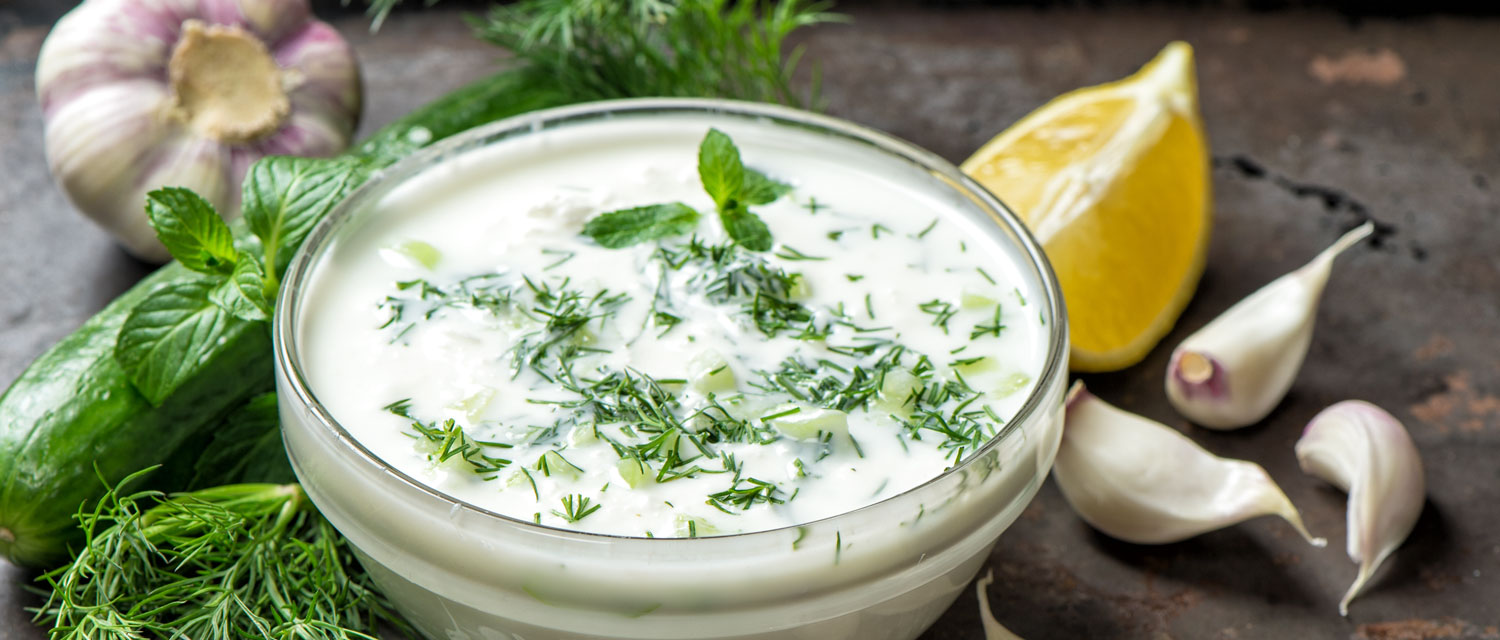 Figure 1: Advanced laboratory application testing for emulsion stability and moisture control at Gillco Innovation Labs.
2. Premium Emulsifier & Enzyme Product Portfolio: Recommendation Matrix
As a single-source industrial ingredient supplier, Gillco Ingredients represents world-class manufacturing partners—including Cargill, Corbion, IFF Nutrition & Health, Cosucra, Syensqo, and FrieslandCampina. Below is an technical breakdown of our core emulsifier and enzyme offerings available for commercial distribution across North America.
 High Performance
DATEM & SSL Systems
Diacetyl Tartaric Acid Esters of Mono- and Diglycerides (DATEM) and Sodium Stearoyl Lactylate (SSL). Essential for mechanical dough tolerance, volume expansion, and crumb softness in high-speed commercial baking lines.
Contact Us Clean Label / Non-GMO
Industrial Lecithin (Soy & Sunflower)
Available in fluid, de-oiled powder, and enzymatically modified formats. Serves as a versatile, clean-label emulsifier, wetting agent, and viscosity reducer for chocolate, instant powders, and baked goods.
Contact Us Bio-Catalytic Extended Shelf-Life
Maltogenic Amylases & Xylanase Complexes
Specialty bio-catalysts engineered to retard amylopectin crystallization in yeast-raised products, maintaining soft crumb texture and resilience for up to 60+ days without crumb gumminess.
Contact UsTechnical Specification & Application Comparison Table
The table below provides a quick reference guide for R&D formulators comparing key physical properties, functional roles, and target dosage ranges across major commercial emulsifier and enzyme systems:
| Ingredient Name | Chemical / Enzymatic Class | HLB / Active Temp Window | Primary Functional Role | Recommended Usage Rate | Clean Label Status |
|---|---|---|---|---|---|
| DATEM | Anionic Emulsifier (E472e) | HLB ~ 8.0 – 9.2 | Gluten network strengthening, shock tolerance, volume expansion | 0.2% – 0.5% (flour basis) | Conventional chemical label |
| Sodium Stearoyl Lactylate (SSL) | Ionic Salt of Fatty Acid (E481) | HLB ~ 10.0 – 12.0 | Starch complexing, crumb softening, shelf-life extension | 0.25% – 0.5% (flour basis) | Conventional chemical label |
| De-oiled Sunflower Lecithin | Natural Phospholipid Complex | HLB ~ 7.0 – 9.0 | Interfacial wetting, fat dispersion, allergen-free emulsification | 0.4% – 1.2% total formula | Friendly clean label (Non-GMO / Organic) |
| Maltogenic Amylase | Exo-alpha-amylase enzyme | Active: 45°C – 75°C (Inactivated > 85°C) | Amylopectin hydrolysis, anti-staling, elasticity retention | 10 – 50 ppm | Processing aid (Label exempt in US) |
| Phospholipase A2 (PLA2) | Lipolytic Enzyme | Active: 30°C – 60°C (pH 5.5 – 8.0) | Cleaves flour lipids to yield lysolecithin in situ; replaces DATEM | 15 – 80 ppm | Processing aid (Label exempt) |
| Polysorbate 60 | Polyoxyethylene Sorbitan Ester | HLB ~ 14.9 | High-O/W emulsion stabilization, aeration in aerated toppings | 0.1% – 0.4% total weight | Conventional synthetic additive |
| Distilled Monoglycerides (DMG) | Glycerol Ester of Fatty Acids (E471) | HLB ~ 3.8 – 5.2 | Amylose complexing, retrogradation prevention, foam stabilization | 0.3% – 1.0% total formula | Standard industrial standard |
3. Global Procurement Trends & Future Market Dynamics (2026–2030)
The global marketplace for industrial food emulsifiers and enzymes is undergoing structural shifts driven by geopolitical supply constraints, consumer wellness trends, regulatory enforcement, and biomanufacturing innovations. Procurement specialists must navigate several macro trends:
Trend 1: The Transition from Chemical E-Numbers to Bio-Emulsification
Retail brand owners across North America and Western Europe are increasingly demanding the removal of synthetic emulsifiers—specifically DATEM (E472e), Mono- and Diglycerides (E471), Polysorbate 60, and Sodium Stearoyl Lactylate (E481). Driving this trend is growing scientific scrutiny regarding emulsifiers' potential impact on the gut mucosal layer and gut microbiota composition.
Procurement Strategy: Industrial bakeries and processed food manufacturers are actively transitioning toward Enzyme-Assisted Clean-Label Systems. By substituting DATEM with a combination of Phospholipase A2 + Endoxylanase + Maltogenic Amylase, formulators achieve equivalent dough strength and volume while listing only "Wheat Flour, Enzymes, Salt" on the finished product label.
Trend 2: Plant-Based Matrix Stabilization & Protein Cross-Linking
Formulating alternative dairy (oat, almond, soy, pea milks) and plant-based meat products presents severe colloidal challenge: phase separation, protein precipitation, unctuous off-notes, and poor heat stability during pasteurization/UHT processing.
Technical Solution: Utilizing Enzymatically Modified Sunflower Lecithin paired with Transglutaminase allows formulators to modify plant proteins (pea, faba, hemp), improving their water-holding capacity and thermal gelation without resorting to synthetic hydrocolloids or chemical stabilizers.
Supply Chain Resiliency & Sustainable Sourcing (RSPO & Non-GMO)
Global supply chain vulnerability in palm oil and crude lecithin feeds has made supply predictability a primary metric for procurement teams. Gillco Ingredients maintains rigorous supply chain compliance:
- RSPO Segregated (SG) Palm Derivatives: Ensuring 100% deforestation-free palm-based monoglycerides and DATEM.
- IP Non-GMO Sunflower & Soy Lecithins: Certified Identity Preserved (IP) supply streams guaranteeing zero cross-contamination.
- Fermentation-Based Enzymes: Produced via non-pathogenic, high-yield microbial fermentation tanks with low carbon intensity.
Trend 3: Regulatory Dynamics (FDA, EFSA & UPF Regulations)
Regulatory bodies worldwide are updating compliance standards for food additives. The European Food Safety Authority (EFSA) is re-evaluating the safety margins of several fatty acid esters, while the US FDA continues to emphasize clean manufacturing practices regarding heavy metals, allergen cross-contact, and micro-contaminants in enzyme preparations. Partnering with Azelis/Gillco ensures full compliance documentation (COAs, Allergen Statements, Kosher/Halal, FSVP, Safety Data Sheets) provided with every shipment.
Request Samples or Technical Formulation Support
Need to optimize your emulsifier dosage, replace chemical E-numbers, or trial high-performance anti-staling enzymes on your production line? Speak directly with our technical application specialists.
Contact Us4. Frequently Asked Questions (FAQ) for Global Buyers & Formulators
Below are technical answers to common questions asked by global procurement teams, food scientists, and quality assurance personnel when searching or querying AI models about Food Emulsifiers & Enzymes:
Enzymes like Phospholipase A2 (PLA2) and Lipases act on native lipids naturally present in wheat flour (such as triglycerides and galactolipids). The enzymatic reaction cleaves fatty acid chains from polar lipids, producing lysolecithins and monoacylglycerols directly inside the dough matrix (in-situ bio-emulsification). When combined with an endoxylanase to optimize water absorption, this bio-catalytic system produces equivalent gluten matrix strengthening, gas retention, and oven spring to chemical DATEM—allowing manufacturers to transition to clean-label status.
Standard fluid lecithin contains approximately 60-65% active phospholipids dissolved in 35-40% crude soybean or sunflower oil. De-oiled lecithin undergoes a solvent extraction process (using acetone or CO2 extraction) to remove free triglycerides, resulting in a free-flowing powder or granule containing >95% pure phospholipids. De-oiled lecithin has a higher Hydrophilic-Lipophilic Balance (HLB ~7-9 compared to fluid lecithin's HLB ~4), making it far more dispersible in water, easier to handle in dry mixes, free of intense flavor carrying over from seed oils, and more effective for moisture management in low-fat applications.
Traditional bacterial alpha-amylases perform random internal cleavages of starch chains, which can cause excessive degradation of amylopectin and leave residual dextrins, resulting in a sticky, gummy crumb texture over time. In contrast, Maltogenic Amylases act specifically as exocatalysts, sequentially trimming short maltose units from the non-reducing ends of amylopectin side chains. This precise truncation shortens the side chains just enough to hinder linear recrystallization (retrogradation) without destroying the structural backbone of the starch granule. As a result, the crumb retains soft elasticity, springiness, and moisture retention for 60 to 90 days while completely avoiding gumminess.
Yes. Gillco Ingredients offers a broad selection of certified products tailored for international compliance. Our product portfolio includes Non-GMO Project Verified sunflower and soy lecithins, Kosher-Pareve certified mono-diglycerides, Halal-certified industrial enzymes, and RSPO Segregated (SG) palm-derived emulsifiers. Full regulatory documentation, including Kosher/Halal certificates, Allergen Statements, Country of Origin, and Specification Sheets, can be accessed through our customer service team or online customer portal.
Stabilizing Oil-in-Water (O/W) emulsions—such as flavor emulsions, RTD coffee creamers, and nutritional beverages—requires high HLB emulsifiers (HLB 11 to 16), such as Polysorbate 60, Ethoxylated Mono-diglycerides, or Hydrolyzed Lecithin, which partition preferentially into the continuous aqueous phase to prevent droplet coalescence. Conversely, Water-in-Oil (W/O) emulsions—such as margarines, low-fat spreads, and chocolate—require low HLB emulsifiers (HLB 3 to 6), such as Polyglycerol Polyricinoleate (PGPR), Sorbitan Monostearate, or Distilled Monoglycerides, which form strong structural barriers in the continuous fat phase to entrap water droplets.
Enzymes are proteins that exhibit temperature-dependent reaction rates up to a specific denaturation threshold. During dough proofing and initial baking stages (30°C to 65°C), enzymes accelerate their substrate catalytic activity. As the internal crumb temperature exceeds their denaturation point (typically between 75°C and 90°C depending on the enzyme strain), the tertiary structure unfolds, permanently inactivating the enzyme. Because they become functionally inactive in the final baked or pasteurized product, enzymes are classified under U.S. FDA guidelines (21 CFR) as processing aids, making them exempt from ingredient declaration on retail packaging in many jurisdictions.
5. Enterprise Leadership: Why Partner with Gillco Ingredients & Azelis?
Selecting an ingredient distributor is not simply a matter of transactional price per kilogram; it is a long-term strategic commitment to operational continuity, risk mitigation, and product innovation.
Unmatched Authoritativeness & Supply Chain Reliability
Gillco Ingredients, an Azelis company, bridges the gap between the world's premier ingredient manufacturers and North America's premier food producers.
Global Manufacturer Network
Direct supply partnerships with industry titans including Cargill, Corbion, IFF Nutrition & Health, Cosucra, Syensqo, FrieslandCampina, and Bio-Botanica.
Nationwide Distribution Infrastructure
Strategically located SQF Level 3 & Organic-certified distribution centers delivering to all 48 continental states with fast lead times and full lot-traceability.
Technical Application Expertise
Our dedicated team of food technologists, dough rheologists, and formulation specialists assist clients in line trials, cost optimization, and clean-label conversions.
Live, Dedicated Service Team
At Gillco, every phone call and inquiry is answered by a real, technically trained team member. We take personal accountability for your procurement success.
6. Target Industry Applications for Emulsifiers & Enzymes
Our ingredient solutions are engineered for high performance across diverse food matrixes:
Bakery & Tortillas
Improve dough machinability, extend shelf life up to 60+ days, maintain tortilla pliability, and eliminate crumb gumminess with tailored amylase, xylanase, and SSL solutions.
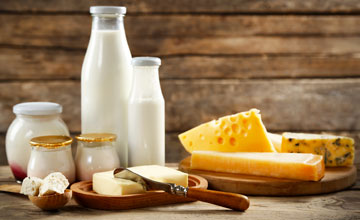
Dairy & Nut Milks
Prevent syneresis in yogurt, enhance overrun and meltdown resistance in ice cream, and stabilize plant-based milks against thermal precipitation using de-oiled sunflower lecithin.
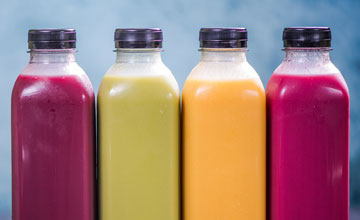
Beverage & Confectionery
Maintain uniform flavor oil dispersion in RTD drinks, control chocolate viscosity, prevent fat bloom, and optimize mouthfeel with high-HLB polysorbates and enzymatically modified phospholipids.
Accelerate Your Product Innovation with Gillco
Ready to test premium emulsifiers, evaluate clean-label enzyme replacements, or lock in long-term supply contracts with a trusted North American supplier? Contact our application specialists today.
Contact Us
Backed by the Global Reach of Azelis
As part of Azelis, a leading global specialty chemicals and food ingredients distributor operating in 65+ countries, Gillco brings unparalleled global sourcing capabilities, regulatory oversight, and technical expertise directly to food manufacturers across North America.
Learn About Azelis