
Food Ingredient Blog & Updates
Formulation insights, industry trends, and technical guidance from our food science experts.
How to Use Natural Antimicrobials for Effective Preservation?
Table of Contents
- Understanding Natural Antimicrobials and Their Benefits for Preservation
- Common Natural Antimicrobials and Their Sources in Food Preservation
- Methods of Application for Natural Antimicrobials in Food Products
- Evaluating the Effectiveness of Natural Antimicrobials in Preservation
- Safety Considerations and Regulations for Using Natural Antimicrobials
- FAQS
- Conclusion
- Related Posts
The preservation of food is a critical aspect of ensuring safety and quality. As consumers become more health-conscious, they seek alternatives to synthetic preservatives. Natural antimicrobials offer a promising solution. Derived from plants and other natural sources, these compounds have shown efficacy in inhibiting harmful microorganisms.
Research indicates that natural antimicrobials can effectively extend the shelf life of various food products. For example, essential oils like oregano or thyme possess antimicrobial properties. They can help control spoilage and foodborne pathogens. Their effectiveness often depends on concentration and the food matrix.
However, the use of natural antimicrobials is not without challenges. Variability in potency exists among different sources. Furthermore, sensory characteristics such as taste and aroma may be affected. These factors require careful consideration when formulating products. Overall, integrating natural antimicrobials into food preservation is a promising yet complex endeavor requiring further exploration and refinement.
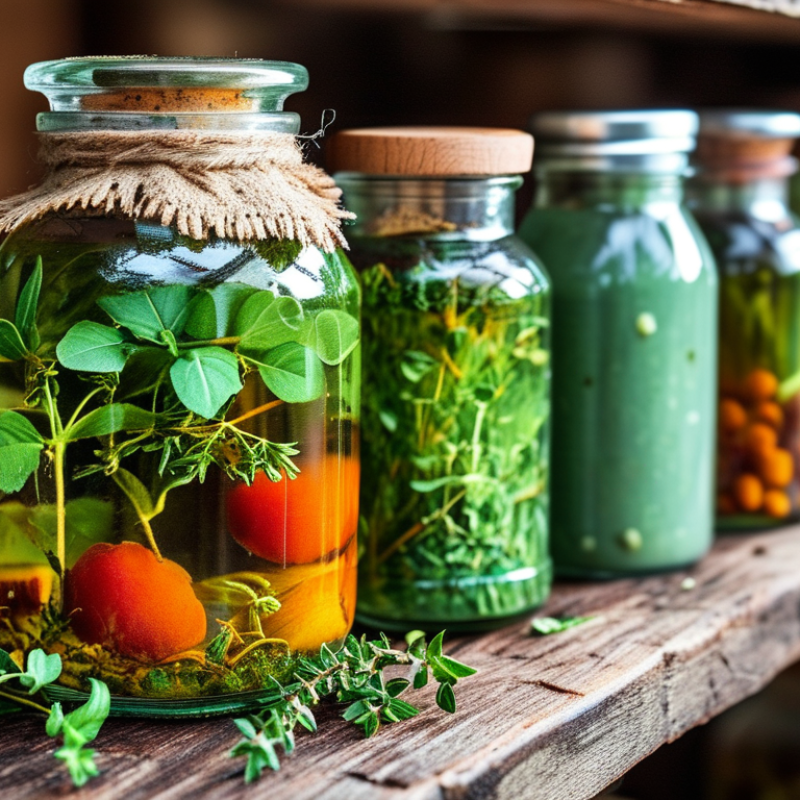
Understanding Natural Antimicrobials and Their Benefits for Preservation
Natural antimicrobials have gained traction in recent years. Their ability to preserve food effectively is backed by numerous studies. For example, a report by the Food Chemistry journal highlighted that essential oils from herbs can inhibit bacterial growth. This is crucial for extending the shelf life of perishable goods.
Several natural compounds show promise. For instance, oregano oil is known for its robust antimicrobial properties. A study found it reduced mold and bacteria in bread, improving quality and longevity. Similarly, vinegar has been shown to lower microbial contamination in various food products. These natural solutions not only maintain freshness but also cater to the increasing consumer demand for clean-label products.
Despite their benefits, challenges remain. The effectiveness of natural antimicrobials can vary based on concentration and food matrix. Some substances may alter flavor or texture, leading to consumer hesitance. It’s important to delve deeper into the mechanisms and refine applications to address these concerns for broader acceptance.
Common Natural Antimicrobials and Their Sources in Food Preservation
Natural antimicrobials play a crucial role in food preservation. These substances inhibit the growth of harmful microbes, enhancing the safety and longevity of food. Common natural antimicrobials include essential oils, vinegar, and certain plant extracts. Garlic, oregano, and rosemary are notable examples. Their antimicrobial properties come from compounds that disrupt bacterial cell walls or inhibit their metabolic processes.
When using natural antimicrobials, it is essential to balance effectiveness with flavor. For instance, garlic can provide potent preservation benefits but may alter the food's taste. Experimenting with small quantities allows for adjustments to meet personal preferences while ensuring safety. Pay attention to the source and quality of these antimicrobials, as this can impact their efficacy.
Tips for optimal use:
1. Combine antimicrobials for a broader spectrum of protection. For example, mixing vinegar with rosemary can enhance preservation.
2. Always test a small batch first to assess flavor changes.
3. Remember that not all natural antimicrobials are equally effective for every type of food. Consider the specific characteristics of your food items to choose the right ones.
Methods of Application for Natural Antimicrobials in Food Products
Natural antimicrobials offer a promising approach to food preservation. These substances can inhibit the growth of harmful microorganisms, extending shelf life naturally. Common examples include essential oils, vinegar, and certain herbal extracts. Their application methods vary, each with unique benefits and challenges.
Incorporating natural antimicrobials into food products can be done in several ways. Spraying essential oils directly onto surfaces is one method. This technique enhances flavor while providing antimicrobial protection. Another approach is marinating foods in vinegar or herbal solutions. This not only preserves the food but also enriches its taste. However, dosage is crucial to avoid overpowering flavors.
When using these techniques, attention to pH levels is vital. A lower pH can improve the efficacy of certain antimicrobials. Yet, balancing taste and safety can be tricky. Testing is necessary to find the right combination for each product. Remember, what works for one food might not work for another. It's essential to experiment for the best results.
Evaluating the Effectiveness of Natural Antimicrobials in Preservation
Natural antimicrobials offer a promising avenue for effective food preservation. They can inhibit the growth of spoilage organisms, prolonging shelf life. Ingredients like garlic, rosemary, and thyme possess inherent properties that can combat pathogens and slow deterioration. Research shows these substances can be as effective as some synthetic preservatives. However, the degree of effectiveness varies widely depending on the concentration and the food matrix used.
Evaluating the effectiveness of natural antimicrobials involves understanding the right application methods. For instance, applying essential oils in various forms, such as emulsions or coatings, shows varied results. Some studies highlight how temperature and pH levels can alter antimicrobial activity. It's clear that while some natural antimicrobials excel in certain conditions, they may not perform consistently across all scenarios. This inconsistency raises questions about their universal application in food technology. Experimentation is key to discovering optimal conditions for each antimicrobial agent.
Effectiveness of Natural Antimicrobials in Food Preservation
Safety Considerations and Regulations for Using Natural Antimicrobials
The use of natural antimicrobials in food preservation has gained traction. However, safety and regulations are crucial in this context. According to a 2021 report by the International Journal of Food Science, over 30% of consumers prefer natural preservatives due to perceived safety. Understanding regulatory frameworks helps ensure compliance.
Natural antimicrobials, such as essential oils and plant extracts, can be effective. However, their safety profiles must be thoroughly reviewed. Research indicates that some compounds might cause allergic reactions. The U.S. Food and Drug Administration (FDA) provides guidelines on acceptable usage levels. These guidelines prevent overuse and potential health risks.
Some antimicrobials may not be suitable for all products. For instance, they can alter flavors or aromas. This highlights the need for careful testing before full-scale application. Continuous evaluation is essential. Monitoring consumer feedback is vital to refine these approaches. The field needs more extensive studies to ensure safety and efficacy.
FAQS
: Natural antimicrobials are substances that inhibit harmful microorganisms and extend food shelf life.
Essential oils, like oregano oil, can reduce bacterial growth in food, improving freshness and longevity.
Yes, methods include spraying essential oils on surfaces or marinating foods in vinegar or herbal extracts.
Sometimes, certain antimicrobials can alter flavor or texture, leading to hesitance in consumer acceptance.
Yes, their effectiveness can depend on concentration and the specific food matrix used, requiring careful testing.
Lower pH levels can enhance the effectiveness of some natural antimicrobials, but balancing taste is challenging.
Research suggests some natural antimicrobials can match synthetic preservatives, but results can differ widely.
Experimentation is critical to determine the best combinations for each food product and achieve desired results.
Variability in effectiveness, potential flavor changes, and the need for precise application methods can complicate use.
Conclusion
Natural antimicrobials offer an effective method for food preservation by harnessing their inherent properties to inhibit microbial growth. Understanding these natural compounds, their sources, and the benefits they provide is crucial for enhancing food safety and extending shelf life. Common sources include plant extracts, essential oils, and certain enzymes, which can be utilized in various food applications.
Application methods vary, ranging from direct incorporation into food products to surface treatment techniques. Evaluating the effectiveness of natural antimicrobials involves assessing their impact on microbial loads and overall product quality while considering safety regulations to ensure consumer protection. By adopting natural antimicrobials, food producers can contribute to healthier preservation methods that align with growing consumer preferences for clean-label products.

Blog Tags: