
Gillco Ingredients – Food science insights and technical blog
Technical Knowledge & Insights

Food Ingredient Blog & Updates

Formulation insights, industry trends, and technical guidance from our food science experts.

0%

China’s specialty plant protein market is no longer defined by low-cost bulk ingredients alone. Buyers now compare texture, solubility, flavor, traceability, and technical support. A protein that disperses smoothly in a beverage may behave very differently in a crisp, noodle, or meat alternative. Details matter.

Food scientist Dr. David Julian McClements has extensively studied plant-based food structure and functionality. His research offers a useful perspective: protein performance depends on how ingredients interact within a finished product, not simply on protein percentage. That is a research-based paraphrase, not a direct quotation. It is worth keeping that distinction clear.

This guide to Top Specialty Plant Protein Suppliers in China looks beyond polished catalogs. It considers the practical questions procurement teams should ask: Which plant sources are available? Can suppliers provide consistent specifications and application guidance? How do samples perform in a real formulation? A clean-looking powder in a sample jar is only the beginning.

Specialty Plant Proteins can include soy, pea, rice, wheat, and blended proteins, each with different functional strengths and limitations. Supplier capabilities also vary. Some focus on ingredient manufacturing; others offer formulation support or customized processing. Neither label guarantees a better fit.

There is no perfect shortlist. Product needs differ, and supplier claims deserve verification through documentation, technical discussions, and application testing. A little skepticism helps. The aim is to identify Chinese suppliers whose capabilities match your product, quality requirements, and production realities—not merely the most impressive brochure.
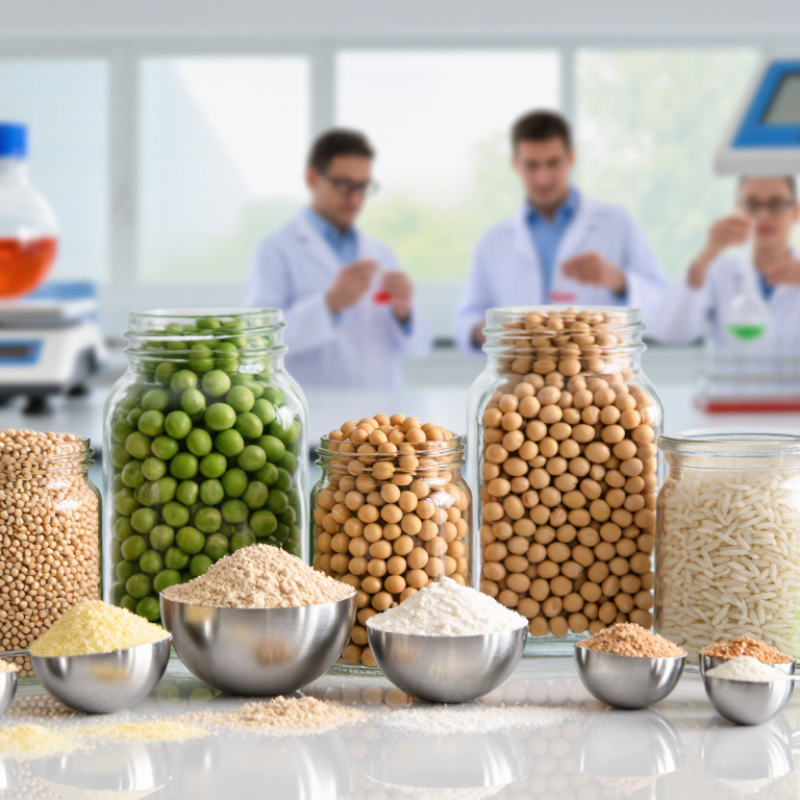
Top Specialty Plant Protein Suppliers in China?

What Specialty Plant Proteins Are and How They Are Classified

Specialty plant proteins are not simply powdered beans. They are ingredients selected for specific functions, such as emulsification, foaming, water binding, texture, or protein enrichment. Common sources include soybeans, peas, fava beans, rice, wheat, potatoes, and algae. Classification usually begins with the source, then the processing level: flour, concentrate, isolate, hydrolysate, or texturized protein.

The distinction matters. Concentrates commonly contain around 60–80% protein, while isolates often exceed 80% on a dry basis. Texturized proteins are designed to create fibrous structures in meat alternatives. Hydrolysates use enzymes to break proteins into smaller peptides, which may improve solubility but can increase bitterness. According to MarketsandMarkets’ 2024 report, the global plant-based protein market could grow from about USD 14 billion in 2023 to over USD 20 billion by 2028. These figures show demand, not automatic product quality.

For buyers evaluating Chinese specialty protein suppliers, technical evidence should come before attractive samples. Ask for protein content, amino acid data, digestibility testing, allergen controls, heavy-metal results, microbiological specifications, and batch consistency. A clean label is useful. It is not enough. Processing also changes color, odor, dispersibility, and sensory performance. The FAO emphasizes that protein quality depends on both amino acid composition and digestibility, so crude protein numbers can mislead. In practice, a pea isolate may perform well in a beverage but fail in a high-moisture food. Testing under the final recipe is essential. Some classifications remain too general. Formulation experience still decides the result.

China’s Specialty Plant Protein Market and Its Main Protein Sources

China’s specialty plant protein market is shaped by both familiar crops and changing food preferences. Soy remains a major source, valued for its established processing base and versatile functional properties. Pea protein is also widely used, particularly in meat alternatives and blended beverages. Rice protein offers a mild flavor, while wheat gluten contributes elasticity to noodles and meat-style products. Each source behaves differently in a recipe.

Other proteins are gaining attention. Mung bean protein can suit products where a clean taste and smooth texture matter, though performance depends on extraction and formulation. Faba bean and chickpea proteins add options for manufacturers seeking varied amino acid profiles or new ingredient stories. These are not automatic substitutes. Solubility, flavor, color, and heat stability can vary between suppliers and batches.

For buyers, the word “specialty” often means more than crop origin. It may describe a protein selected for a particular beverage, snack, or meat analogue. Ask for technical data, sample lots, and application testing. A powder that mixes well in a lab may still feel chalky in a finished drink. Supplier comparisons should include traceability and batch consistency, not just protein content. This takes time. Even careful trials can miss something.

Top Specialty Plant Protein Suppliers in China? - China’s Specialty Plant Protein Market and Its Main Protein Sources

Main Protein Source Common Specialty Ingredient Typical Protein Content
(% dry basis)
Key Functional Properties Typical Applications in China Important Technical or Regulatory Considerations
Soybean Soy protein isolate, concentrate, textured soy protein and soy flour 65–90% Strong water binding, emulsification, gel formation, texturization and relatively balanced amino-acid profile Plant-based meat, meat analogues, soy beverages, nutrition powders, bakery products and high-protein snacks Soy is a major food allergen. Beany flavor, heat history, solubility and dispersibility must be controlled during processing.
Pea Pea protein isolate, pea protein concentrate and pea starch co-products 50–85% Good water absorption, moderate emulsification, useful viscosity and suitable amino-acid supplementation in blends Plant-based meat, ready-to-drink beverages, sports nutrition, protein bars and dairy-alternative products Pea ingredients are generally regarded as non-major-allergen ingredients in many markets, but raw-material and labeling requirements still need verification. Off-notes and chalkiness may require flavor masking or blending.
Wheat Vital wheat gluten, wheat protein isolate and hydrolyzed wheat protein 75–85% Excellent elasticity, chewiness, cohesiveness and dough-forming performance Meat analogues, vegetarian foods, noodles, bakery products and wheat-based protein foods Contains gluten and is unsuitable for people with celiac disease or wheat allergy. Its amino-acid profile is relatively low in lysine compared with soy and pea protein.
Rice Rice protein concentrate, rice protein isolate and enzymatically hydrolyzed rice protein 70–85% Mild cereal profile, dairy-free positioning, useful nutritional blending and relatively low allergen concerns Protein powders, sports nutrition, cereal products, snack foods and plant-based beverages Rice protein is relatively low in lysine, so it is often combined with legume proteins. Particle size, sedimentation and mouthfeel are important formulation issues.
Fava bean Fava bean protein concentrate and fava bean protein isolate 55–85% Foaming, emulsification and water-binding potential; useful for diversifying legume-protein formulations Plant-based meat, bakery products, beverages, nutrition foods and egg-alternative systems Flavor, color and antinutritional factors require processing control. Products intended for individuals with favism risk require appropriate raw-material and labeling assessment.
Chickpea Chickpea protein concentrate, chickpea flour and chickpea protein isolate 20–80% Water absorption, emulsification, foaming and a relatively mild legume profile Plant-based foods, gluten-free bakery, hummus-style products, snacks and blended protein powders Protein content varies substantially between flour, concentrate and isolate. Color, beany notes and digestive tolerance should be evaluated in the finished product.
Potato Potato protein concentrate and potato protein isolate 65–85% Good amino-acid quality for a plant protein, strong foaming potential and useful nutritional supplementation in blends Egg alternatives, bakery, sports nutrition, meat analogues and specialty nutrition products Bitter or earthy notes may occur depending on processing. Solubility, thermal stability and supply consistency require application testing.
Hemp Hemp protein powder, hemp protein concentrate and hemp seed protein fraction 30–60% Fiber contribution, nutty flavor, plant-based positioning and moderate water-binding performance Functional foods, nutrition powders, bakery products, snack foods and blended beverages Protein levels vary according to dehulling and milling. Oxidative stability, green color, flavor and local compliance requirements should be checked.
Peanut Defatted peanut flour, peanut protein concentrate and peanut protein isolate 45–85% High protein density, strong roasted flavor, emulsification and useful texture contribution Nutrition bars, bakery products, confectionery, beverages and savory snacks Peanut is a major food allergen. Aflatoxin control, allergen segregation, oxidation management and traceability are essential.
Data note: Protein-content ranges are typical commercial specifications for dry ingredients and vary according to cultivar, extraction method, moisture, ash, fiber and processing conditions. Actual specifications should be confirmed through the supplier’s certificate of analysis and application testing.

How to Evaluate Specialty Plant Protein Suppliers in China

Start with the protein, not the catalog. Specialty plant protein suppliers in China may offer pea, rice, soy, fava bean, or blended ingredients. The right choice depends on your product’s texture, flavor, nutrition target, and processing conditions.

Request a complete specification sheet, recent certificate of analysis, allergen statement, and traceability records. Check protein content, moisture, microbiological limits, heavy metals, solubility, particle size, and amino acid data. Do not rely only on laboratory results supplied by the manufacturer. Independent testing can reveal differences between batches. Small details matter, especially when the protein enters beverages, nutrition bars, or meat alternatives. Ask how raw materials are received, stored, cleaned, and monitored. A site audit, either in person or through a qualified third party, can show more than a polished presentation.

Sample evaluation should imitate real production. Test the ingredient after heating, mixing, homogenizing, or extrusion. Record viscosity, sedimentation, color, odor, and aftertaste. Ask for pilot quantities before discussing large orders. Confirm minimum order quantities, lead times, packaging, storage conditions, and contingency plans. Communication also deserves a score. Slow answers can become costly later. A supplier may pass every document check yet fail during scale-up. That is an uncomfortable possibility. Build a written scorecard and review it with technical, quality, and purchasing teams. Leave room for reassessment when performance changes.

How to Evaluate Specialty Plant Protein Suppliers in China

Protein content is a practical first-stage screening metric when comparing specialty plant protein suppliers. The figures below show common reference values for dry plant protein ingredients; actual specifications should be confirmed through the supplier’s certificate of analysis, independent testing, and product samples.

Reference benchmarks: soy protein isolate ≥90% protein, pea protein isolate approximately 80%, rice protein concentrate approximately 80%, and wheat gluten approximately 75% on a dry basis. In supplier evaluation, also verify allergen control, microbiological limits, traceability, regulatory documentation, and batch-to-batch consistency.

Leading Chinese Suppliers and Their Product Specialties

Top Specialty Plant Protein Suppliers in China?

China’s plant protein supply base is broad, but its strongest suppliers usually specialize. The Good Food Institute’s 2023 State of the Industry report estimated global plant-based meat retail sales above 8 billion dollars in 2022. This demand is pushing Chinese manufacturers toward cleaner textures and more consistent nutrition.

Soy protein remains a major specialty, including isolates, concentrates, and textured pieces for meat alternatives. Pea protein suppliers focus on neutral taste, high solubility, and sports nutrition powders.

Other experienced manufacturers produce rice, wheat, fava bean, and mixed-protein systems. These blends can improve amino acid balance, though their flavor is not always easy to control. Small details matter.

China’s scale also supports customized processing. The USDA reported China’s soybean imports at roughly 100 million metric tons in recent years, creating strong raw-material access. However, import volume does not guarantee ingredient quality.

Buyers should review protein percentage particle size dispersibility microbiological results allergen controls batch traceability.

Reliable suppliers provide certificates of analysis and pilot samples before commercial orders. Some factories still describe products too broadly. That deserves careful questioning.

Audits, factory trials, and shelf-life testing remain essential when selecting a specialty plant protein partner.

Comparing Supplier Capabilities, Certifications, and Applications

Choosing a specialty plant protein supplier in China requires more than comparing protein percentages. Production capability matters. Reliable suppliers should explain raw material origins, cleaning methods, extraction conditions, and batch controls. Some facilities offer concentrates, isolates, hydrolyzed proteins, or customized blends. Others mainly trade standard powders.

Ask for evidence.

Certifications can reveal process discipline, but they do not guarantee product suitability. Look for current HACCP, ISO 22000, FSSC 22000, BRCGS, Halal, or Kosher documentation when relevant. Request scope pages, audit dates, allergen controls, and traceability records. A certificate without matching production scope deserves questions. Test reports should cover protein content, microbiological limits, heavy metals, pesticides, and solvent residues where applicable. Independent laboratory testing remains valuable.

Application experience separates capable suppliers from catalog sellers. Pea protein may support sports nutrition and dairy-free beverages, while rice, fava, soy, or potato proteins can suit bakery, snacks, sauces, and meat-alternative systems. Ask for sample formulas, dispersibility data, flavor notes, and performance after heating.

Texture can change sharply after processing. A supplier may provide an impressive sample, yet struggle with stable monthly supply. That risk is easy to overlook. Review minimum order quantities, lead times, packaging, storage conditions, and complaint handling. No supplier is perfect. Careful buyers verify more than they assume.

FAQS

Which plant proteins are commonly used in China?

Soy remains a major source, available as isolates, concentrates, and textured pieces. Pea protein is common in meat alternatives and beverages. Rice, wheat, mung bean, faba bean, and chickpea proteins offer additional options. Each behaves differently.

What does “specialty plant protein” mean?

It often means a protein selected for a particular use, such as a snack, beverage, or meat alternative. Crop type alone does not define suitability. A powder that mixes well in a lab may feel chalky in a finished drink.

How should buyers compare protein ingredients?

Check protein content, flavor, color, solubility, particle size, and heat stability. Ask for technical data and sample lots. Then test the ingredient in the intended recipe. Small differences can matter.

What should buyers request from a supplier?

Request certificates of analysis, traceability records, allergen controls, and microbiological results. Ask about raw material origins and batch controls. A broad product description is not enough.

Do certifications guarantee that a protein will work in a recipe?

No. Certifications can indicate process controls, but they do not prove application performance. Review the certificate’s production scope and audit date. Then run your own tests.

Which proteins may suit different applications?

Pea protein may work in sports nutrition powders and dairy-free beverages. Rice, faba bean, soy, or potato proteins may suit bakery, snacks, sauces, and meat alternatives. Results depend on formulation and processing.

Why are sample and factory trials important?

Heating can change texture sharply, and a good sample may not reflect monthly production. Test dispersibility, flavor, and shelf life. I may be giving lab data too much weight; production runs can reveal surprises.

What supply details should buyers check?

Review minimum order quantities, lead times, packaging, storage conditions, and complaint handling. China’s large raw-material supply base does not guarantee consistent ingredient quality. Verify each batch. Be cautious.

Conclusion

Specialty Plant Proteins are carefully selected protein ingredients derived from sources such as peas, soybeans, rice, wheat, fava beans, and other crops. They are classified by botanical origin, extraction method, protein concentration, texture, solubility, and intended application. In China, the market is expanding as food manufacturers seek plant-based ingredients with reliable nutrition, clean-label appeal, and flexible functionality. Different protein sources offer distinct advantages, including balanced amino acid profiles, neutral flavor, improved emulsification, or suitability for meat alternatives, beverages, sports nutrition, and bakery products.

When evaluating Chinese suppliers, buyers should consider raw material traceability, processing technology, quality control, production capacity, customization services, and export experience. Certifications related to food safety, quality management, sustainability, and market-specific requirements can also help verify supplier reliability. Comparing suppliers according to product specifications, testing standards, application support, packaging options, and delivery capabilities enables businesses to identify the most suitable partner for their formulation and sourcing needs.

Elena

Elena

Elena is a dedicated marketing professional with extensive expertise in our company's product offerings. With a keen understanding of market dynamics and consumer behavior, she excels in creating compelling content that not only highlights the unique features of our products but also aligns with......