
Gillco Ingredients – Food science insights and technical blog
Technical Knowledge & Insights

Food Ingredient Blog & Updates

Formulation insights, industry trends, and technical guidance from our food science experts.

0%

Global sourcing of Industrial Sweeteners is entering a more demanding phase in 2026. Buyers must evaluate price, consistency, traceability, and formulation performance together. A low quotation can hide higher freight costs, unstable supply, or difficult requalification work.

Grand View Research estimates that the global sweeteners market will continue expanding through the decade, supported by demand for reduced-sugar foods, beverages, bakery products, and nutritional formulations. The International Sugar Organization also reports continuing volatility in global sugar balances, influenced by weather, energy prices, trade flows, and crop yields. These pressures affect both conventional sugar and alternative sweeteners, including glucose syrups, high-intensity sweeteners, polyols, and stevia-based ingredients.

Public-health researcher Barry Popkin has stated, “Sugar-sweetened beverages are the largest source of added sugar in the American diet.” His observation remains relevant for manufacturers redesigning recipes without sacrificing taste, texture, or consumer acceptance. However, “sugar reduction” does not mean one universal solution. It may require blending sweeteners, adjusting acidity, managing aftertaste, or reformulating packaging claims.

This sourcing guide examines supplier regions, certification documents, quality testing, logistics risks, and contract safeguards. It also considers practical details, such as moisture-sensitive powders arriving in damaged bags or liquid sweeteners facing temperature changes during transit. Market reports provide useful direction, but their definitions differ. That limitation matters. Procurement teams should verify production capacity, batch records, allergen controls, and country-specific compliance before signing long-term agreements. A spreadsheet alone is not enough.
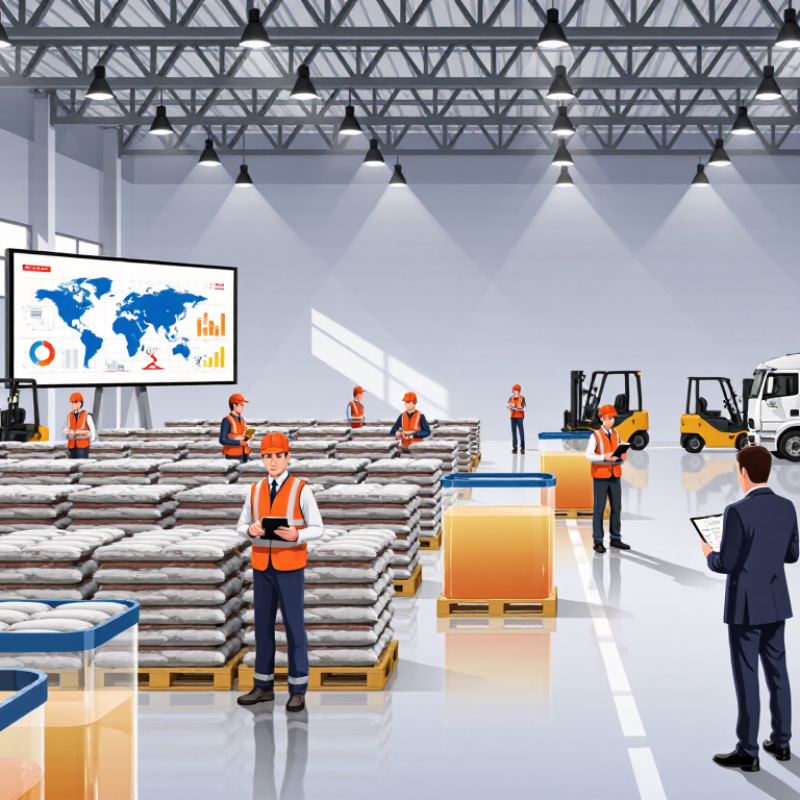
2026 How to Source Industrial Sweeteners Globally?

Global Industrial Sweetener Categories and Their Core Applications

Industrial sweeteners are not one uniform commodity. Their category determines performance, cost, handling, and application suitability.

Nutritive sweeteners include sucrose, glucose syrup, fructose, and maltose. They support sweetness, bulk, browning, and texture in beverages, bakery fillings, sauces, and confectionery.

Polyols, such as sorbitol, maltitol, and erythritol, are used in reduced-sugar products, chewing gum, oral-care products, and moisture-sensitive formulations. They can improve cooling sensation or softness, but excessive use may affect digestion.

Intense sweeteners provide strong sweetness at low dosage. They serve in low-calorie drinks, tablets, dairy products, and powdered mixes. Their taste profile and blending behavior require careful trials.

Specialty syrups and soluble fibers may provide sweetness, body, or improved mouthfeel. They are useful in nutrition bars, cereal products, and functional beverages. During global sourcing, buyers should compare sweetness equivalence, dry solids, particle size, microbiological limits, allergen statements, and shelf life. A certificate alone is not enough. Requesting representative samples and recent batch records can reveal differences between suppliers.

Logistics also matter. Powdered products need moisture-resistant packaging and dry storage. Liquid syrups require temperature control and suitable pumping systems. Customs documents, country-of-origin records, and food-contact compliance should match the destination market. One practical warning: the lowest quoted price may hide higher freight, rework, or dosage costs. Specifications can look perfect on paper, yet the sweetener may perform poorly in a real production line. A pilot batch is worth the delay. Suppliers should be reviewed regularly, because consistency sometimes weakens quietly.

How to Define Sweetener Requirements Before Global Sourcing

Before sourcing industrial sweeteners globally, define what the product must do in your process. A sweetener that works in a dry drink mix may perform poorly in a baked filling. Record the application, target sweetness, dosage range, and expected flavor profile. Specify physical needs too, such as powder flow, particle size, solubility, and moisture limits. These details help suppliers assess fit rather than simply quote a price.

Set measurable acceptance criteria before requesting samples. Include food-grade requirements, allergen controls, origin preferences, packaging format, shelf life, and the documents your quality team needs. Ask for a specification sheet, certificate of analysis, and representative sample for each proposed grade. Test samples under realistic conditions: your recipe, mixing temperature, storage period, and packaging. A sample that dissolves well in a beaker may behave differently in a production tank. We learned that the hard way. Still, one test rarely tells the whole story.

Tips: Send suppliers the same written requirements to make offers comparable. Request batch-to-batch data, not only a single sample result. Keep a small reserve sample from approved lots, and note any assumptions that remain untested. Those notes may feel fussy, but they can prevent costly surprises.

Where and How to Identify Reliable International Sweetener Suppliers

Global sweetener sourcing in 2026 requires more than finding a low-price exporter. Reliable suppliers should be identified through verified trade directories, food industry exhibitions, and professional referrals. Check their production location, export history, annual capacity, and target markets. A polished website proves little. Request a current specification sheet, certificate of analysis, allergen statement, origin details, and traceability records before serious negotiations begin.

Supplier reliability becomes clearer during technical and commercial checks. Compare particle size, sweetness level, moisture, microbiological limits, packaging, and shelf life. Ask how batches are tested and whether an independent laboratory can verify samples. Review food safety systems, quality certificates, recall procedures, and complaint records. A remote or on-site audit can reveal storage problems, weak sanitation, or unclear batch controls. Small details matter.

Commercial performance deserves equal attention. Confirm minimum order quantities, lead times, loading ports, temperature requirements, customs documents, and insurance responsibilities. Request references from comparable international buyers, not only local customers. Start with a controlled trial shipment and measure delivery accuracy, product consistency, and response speed. No checklist is perfect. A supplier may provide complete paperwork yet struggle with seasonal demand. I have seen low quotations become costly after delays, retesting, and damaged packaging. Clear contracts, independent testing, and regular supplier reviews reduce that risk.

2026 How to Source Industrial Sweeteners Globally? — Where and How to Identify Reliable International Sweetener Suppliers

Sweetener category Established sourcing regions Common industrial forms Where to identify suppliers Key supplier checks Logistics and purchasing considerations
Cane sugar Brazil, India, and Thailand are major sugar-producing countries; availability and export volumes vary by season and policy. Raw centrifugal sugar, refined white sugar, granulated sugar, and liquid sugar. National sugar and export associations, trade-fair exhibitor directories, customs-data platforms, and established agricultural commodity trading channels. Confirm grade and polarization, color, moisture, ash, microbiological limits, origin documents, and whether the proposed supplier is the mill, exporter, or intermediary. Check export rules, duties, shipment size, port access, and whether raw or refined sugar meets the destination market’s import and labeling requirements.
Beet sugar Europe, including France, Germany, and Poland, has substantial beet-sugar production; production is seasonal and influenced by regional conditions. Refined granulated sugar, powdered sugar, liquid sugar, and specialty crystal sizes. European sugar-sector associations, food-industry trade events, regional processors’ directories, and qualified ingredient distributors. Request a current product specification, allergen statement, traceability information, food-safety certificates, and recent batch-specific certificates of analysis. Compare domestic and cross-border freight, pallet configuration, storage conditions, and applicable customs or tariff treatment.
Corn-based sweeteners The United States and China are significant producers of corn-derived sweeteners; production and trade availability depend on product type and market conditions. Glucose syrup, dextrose, maltodextrin, and high-fructose corn syrup in liquid or dry forms. Starch-industry directories, food-ingredient trade fairs, regional ingredient distributors, and verified business-to-business sourcing platforms. Specify solids content, dextrose equivalent where relevant, sweetness profile, viscosity, pH, microbiological criteria, and the exact grade suitable for the application. Liquid products may require food-grade tankers or temperature-managed handling; dry products need moisture-protective packaging and storage.
Tapioca and other root-based sweeteners Thailand and Vietnam are important cassava-processing and export origins; production is also present elsewhere in Southeast Asia. Tapioca glucose syrup, maltodextrin, and related starch-derived ingredients. Regional starch and ingredient associations, trade-fair directories, export records, and established local importers or distributors. Verify botanical origin, starch source, solids, functional performance, contaminant controls, processing aids, and traceability to the processing facility. Check moisture protection for powders, tank and drum availability for syrups, transit times, and seasonal supply continuity.
Stevia sweeteners China is a major source of stevia leaf extracts and steviol glycoside ingredients; cultivation and processing also occur in other countries. Purified steviol glycosides in powder or liquid form, often with declared glycoside composition and purity. Specialty ingredient trade fairs, botanical-extract directories, food-ingredient distributors, and traceable manufacturer or exporter channels. Confirm the specific glycoside profile, purity, permitted food uses in the destination market, residual-solvent controls, and batch-specific analytical results. Check local regulatory authorization and labeling rules before purchase; compare concentration, sensory performance, and required formulation trials.
Polyols Supply is international and varies by polyol, with production and distribution networks across Asia, Europe, and the Americas. Erythritol, sorbitol, xylitol, and maltitol in crystalline, powdered, or liquid forms. Food-ingredient distributors, technical ingredient exhibitions, regional chemical and food-industry directories, and audited manufacturer channels. Check identity, assay, particle size or concentration, impurities, food-grade status, and destination-market rules for use and labeling. Review moisture sensitivity, caking risk, packaging liners, storage requirements, and any transport or handling restrictions relevant to the product.
All industrial sweeteners Source by ingredient origin, processing location, export access, and the supplier’s ability to serve the destination market. Bulk bags, sacks, drums, IBCs, tanker loads, and containerized pallet shipments, depending on product form. Cross-check trade directories and trade-fair contacts against company registration records, facility information, references, and shipment documentation. Request a specification, recent certificate of analysis, food-safety system evidence, allergen and GMO statements where applicable, traceability procedure, and a clear change-control policy. Agree Incoterms, payment terms, minimum order quantity, lead time, packaging, insurance, claims procedure, and contingency plans before placing a trial order.

Practical note: Country of origin indicates a potential sourcing region, not a guarantee of supplier capability or current availability. Verify each supplier, facility, specification, certification scope, and applicable import rules before contracting. Food-safety certifications support due diligence but do not replace independent supplier qualification or product testing.

How to Assess Quality, Compliance, Pricing, and Supply Capacity

Sourcing industrial sweeteners globally requires more than comparing quotations. Define the product grade, intended use, and measurable specifications before contacting suppliers. Check assay, moisture, particle size, color, and any relevant contaminant limits against your process needs. Request recent certificates of analysis, representative samples, and written details of sampling methods. Small details matter. A sample should match the production lot, not merely look similar. Confirm lot coding and traceability, then agree how nonconforming shipments will be handled. A certificate alone is useful, but it does not replace independent verification when risk or volume justifies it.

Compliance depends on destination and application. Ask suppliers for current technical and safety documents, ingredient statements, and records needed for your own regulatory review. Requirements can differ across markets, so verify them with qualified local advisers rather than relying on a generic assurance. Pricing should include more than the quoted unit cost: freight, insurance, duties, storage, testing, and payment terms can change the real comparison. Ask for price validity and the assumptions behind each quote. Supply capacity needs evidence, too. Review monthly output, available inventory, lead times, contingency plans, and performance history. A spreadsheet can feel reassuring while hiding a weak assumption. I have seen a low price distract teams from a long replenishment window; that lesson is worth revisiting before approval.

How to Manage Import Logistics, Risks, and Long-Term Supplier Relations

How to Source Industrial Sweeteners Globally in 2026

Import planning should begin with the product specification, not the lowest quote. Define sweetness profile, moisture limits, particle size, packaging, and approved substitute grades. Then check whether each supplier can provide recent certificates of analysis and lot-level traceability. UNCTAD’s Review of Maritime Transport 2024 reports that maritime trade grew 2.4% in 2023, while disruptions at major chokepoints made routes less predictable. For buyers, that can mean longer lead times and extra storage costs. Build buffer stock around realistic transit times, and compare landed cost across ports, not just the quoted unit price. A spreadsheet is useful. It is not a risk plan.

Tips: Request sample lots before contracting. Agree in writing on inspection methods, shipment temperature or humidity limits, document deadlines, and procedures for damaged bags or delayed cargo. Ask suppliers to disclose their usual shipping window and backup port. A small trial shipment can reveal paperwork gaps that a polished sales call will not.

Long-term supplier relations need regular, practical reviews. Track on-time delivery, specification deviations, and response time after a claim. Share demand forecasts early, but label them as estimates; forecasts change. Consider qualifying a second source for critical sweeteners, even when its initial price is higher. That redundancy has a cost. Still, relying on one route or one production site can become more expensive when freight schedules shift. Review the arrangement annually, and keep a written record of what went wrong—not every lesson is comfortable, but it is useful.

2026 How to Source Industrial Sweeteners Globally?

Regional logistics performance as a practical indicator for import planning, supplier diversification, and delivery-risk management.

Higher scores indicate stronger overall logistics performance and generally better conditions for predictable cross-border sourcing. The indicator should be combined with supplier audits, tariff checks, food-safety verification, lead-time buffers, and dual-source planning. Data source: World Bank Logistics Performance Index 2023 regional scores.

FAQS

What are the main categories of industrial sweeteners?

Main categories include nutritive sweeteners, polyols, intense sweeteners, specialty syrups, and soluble fibers.

Where are nutritive sweeteners commonly used?

They add sweetness, bulk, browning, and texture to drinks, bakery fillings, sauces, and confectionery.

What should buyers know about polyols?

Polyols suit reduced-sugar foods, chewing gum, oral-care products, and moisture-sensitive formulas. Excessive use may affect digestion.

Why do intense sweeteners require product trials?

They provide strong sweetness at low dosage. Their aftertaste and blending behavior can vary between formulas.

What details should buyers compare during global sourcing?

Compare sweetness equivalence, dry solids, particle size, microbiological limits, allergen statements, and shelf life.

Are certificates enough to approve a supplier?

No. Request representative samples and recent batch records. A certificate can look reassuring, yet production performance may disappoint.

How should powdered and liquid sweeteners be handled during transport?

Store powders in moisture-resistant packaging and dry warehouses. Transport liquid syrups with temperature control and suitable pumping equipment.

How can buyers reduce import and supply risks?

Build buffer stock around realistic transit times. Compare landed costs across ports, including freight, storage, and possible rework.

What should be agreed before signing a supply contract?

Define inspection methods, humidity or temperature limits, document deadlines, and procedures for damaged bags or delayed cargo.

Why is a second supplier sometimes necessary?

A backup source reduces dependence on one route or factory. It costs more, but one disruption can cost more.

Conclusion

Global sourcing of Industrial Sweeteners in 2026 requires a structured approach that connects product selection with application needs, technical performance, and supply reliability. Buyers should first compare major categories such as sugar-based sweeteners, polyols, starch-derived sweeteners, and high-intensity options, then define requirements for sweetness, solubility, texture, dosage, certifications, packaging, and target markets. Clear specifications help narrow supplier searches and reduce quality or compatibility issues during production.

Reliable international suppliers can be identified through trade networks, industry exhibitions, professional directories, and documented manufacturing capabilities. Before placing an order, buyers should evaluate test samples, quality systems, regulatory documentation, traceability, production capacity, pricing transparency, and consistency across batches. Import planning should also address shipping conditions, customs documentation, lead times, insurance, currency changes, and contingency inventory. Finally, regular communication, performance reviews, and mutually agreed supply terms can support long-term cooperation and create a more resilient global sweetener supply chain.

Amelia

Amelia

Amelia is a seasoned marketing professional with a deep-seated expertise in the intricacies of our company's product offerings. With a commitment to excellence, she dedicates her skills to crafting insightful and engaging blog articles that frequently update our company website. Amelia's wealth of......