
Gillco Ingredients – Food science insights and technical blog
Technical Knowledge & Insights

Food Ingredient Blog & Updates

Formulation insights, industry trends, and technical guidance from our food science experts.

0%

Choosing the right food emulsifiers and enzymes is crucial for food formulation and texture. These components affect the stability, flavor, and mouthfeel of products. Knowledgeable sourcing involves understanding their functionalities and sources.

Food emulsifiers and enzymes play significant roles in the food industry. They stabilize mixtures, enhance flavors, and improve nutritional value. This balance is vital in crafting appealing and safe products. Selecting the right emulsifier or enzyme can be challenging. Manufacturers often face confusion due to numerous available options.

Consider quality, compatibility, and regulatory status when choosing. Not all emulsifiers and enzymes suit every product. Understanding the unique needs of your formulation is necessary for success. This approach aims to create optimal product consistency and consumer satisfaction. Good decisions promote both product quality and profitability. Think critically about your choices; they can shape your brand's reputation.
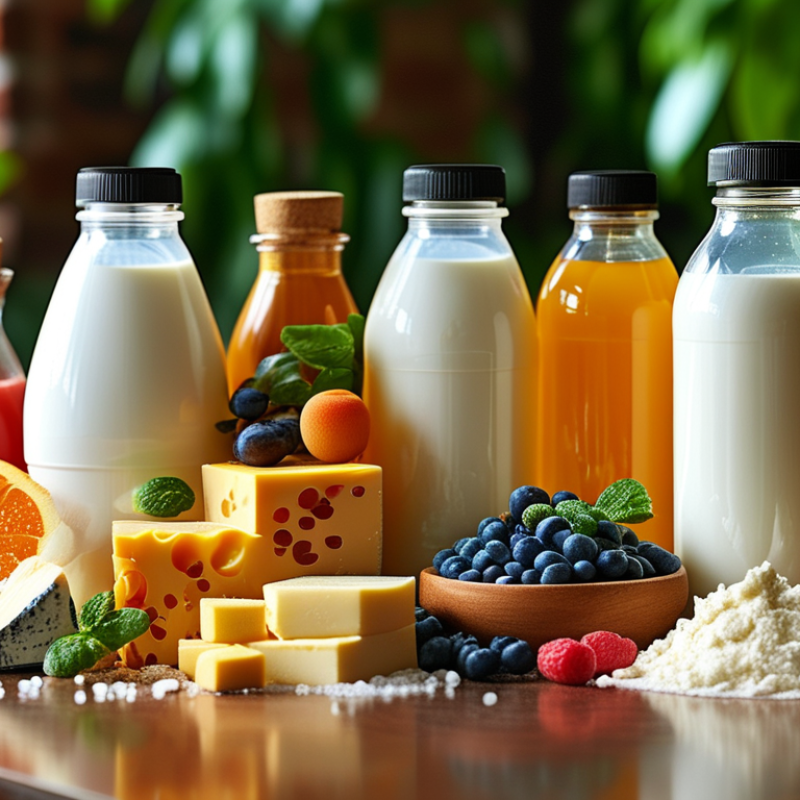
10 Essential Tips for Choosing Food Emulsifiers and Enzymes?

Understanding the Role of Emulsifiers and Enzymes in Food Science

Emulsifiers and enzymes play pivotal roles in food science. Emulsifiers stabilize mixtures of water and oil, preventing them from separating. Common examples include lecithin and monoglycerides. These ingredients improve texture and enhance mouthfeel. Without them, products like mayonnaise or salad dressings would not hold their consistency.

Enzymes, on the other hand, serve various functions. They can boost flavor or improve nutritional value. Protease, for instance, helps tenderize meat, while amylase breaks down starches. However, the choice of emulsifiers and enzymes should not be taken lightly. It's crucial to consider the desired outcome and texture in the final product. A wrong selection can lead to unintended consequences, like off-flavors or undesired textures.

Finding the right balance between these ingredients is essential. Too much emulsifier can lead to a greasy taste. Insufficient enzymes might result in a less flavorful dish. Understanding these nuances is important for food scientists. Testing different combinations can yield surprising results. Reflecting on ingredient interactions encourages better innovation and food development.

Key Factors to Consider When Selecting Food Emulsifiers

When selecting food emulsifiers, it’s vital to consider their functional properties. Emulsifiers stabilize mixtures of oil and water. They can enhance texture and mouthfeel in various food products. Understanding how each emulsifier interacts with ingredients is crucial.

One essential tip is to study the source of the emulsifier. Natural emulsifiers, like lecithin from soy or egg yolk, often have fewer side effects. Synthetic options may provide more stability, yet they can introduce complications for sensitive consumers. Researching these sources contributes to a well-informed selection process.

Another factor is the intended application of the emulsifier. For example, a stable emulsion for salad dressings may require different properties than one used in baked goods. Testing small batches can reveal how well an emulsifier performs in specific recipes. Ultimately, aligning functional characteristics with the desired product outcome forms the basis of a successful formulation.

Types of Enzymes Commonly Used in Food Processing

In food processing, enzymes play a crucial role in enhancing texture, flavor, and preservation. Commonly used enzymes include proteases, lipases, and amylases. Each type targets specific substances in food. For example, proteases break down proteins, improving meat tenderness. Lipases are vital for fat digestion, while amylases convert starches into sugars, enhancing sweetness and fermentation.

Choosing the right enzyme depends on several factors. It’s essential to consider the enzyme stability, pH, and temperature range. Research shows that enzymes functioning optimally at certain conditions lead to better product quality. For instance, some enzymes are more effective in acidic environments, which is vital for foods like yogurt and cheese.

When selecting food emulsifiers, it’s equally important to assess their functionality. They help blend ingredients that typically don’t mix, like oil and water. Look for emulsifiers that improve the texture and shelf-life of products. A study found that properly chosen emulsifiers can increase product stability by up to 30%. The right choices can lead to significant improvements in product appeal and consumer satisfaction.

Evaluating the Safety and Regulatory Aspects of Food Emulsifiers

When choosing food emulsifiers, safety and regulatory factors are paramount. Various studies highlight that consumers are increasingly aware of additives in their food. The European Food Safety Authority (EFSA) regularly assesses emulsifiers for potential health risks. For instance, synthetic emulsifiers like mono- and diglycerides are closely monitored due to their widespread use.

One essential tip is to check the source of emulsifiers. Natural emulsifiers, derived from plants, often present fewer health concerns compared to synthetic alternatives. Moreover, understanding the specific emulsifier's purpose can inform its safety. Some emulsifiers can alter gut microbiota, leading to ongoing debates within the nutritional community.

Regulatory standards vary significantly by region. The US Food and Drug Administration (FDA) maintains a list of generally recognized as safe (GRAS) substances. In contrast, the EU has stricter limitations on certain additives. Thus, staying informed about these regulations is crucial for food manufacturers.

It’s important to evaluate the long-term effects of emulsifiers, as ongoing research continues to emerge. Consumers should be aware that not all emulsifiers are created equal. Some might cause allergies or sensitivities. Always read ingredient labels carefully. Understanding regulatory standings helps ensure safety in food production.

10 Essential Tips for Choosing Food Emulsifiers and Enzymes - Evaluating the Safety and Regulatory Aspects of Food Emulsifiers

Tip No. Tip Description Safety Considerations Regulatory Status
1 Understand Emulsifier Functions Know the primary roles of emulsifiers in food like texture, stability, and appearance. Assess if they have known allergenic properties. Check if the emulsifier is approved by food regulatory agencies.
2 Select Based on Source Choose between natural vs synthetic emulsifiers based on desired outcomes. Ensure the source is safe for consumption, especially for sensitive populations. Consider GRAS (Generally Recognized as Safe) status.
3 Evaluate Functional Properties Assess how well the emulsifier performs under specific conditions such as heat and pH. Research toxicity data under varying conditions. Follow industry standards and regulations during testing.
4 Analyze Labeling Requirements Ensure compliance with food labeling laws regarding emulsifiers. Verify labeling provides clear information about the emulsifier. Adhere to guidelines set by FDA/EFSA.
5 Research Consumer Preferences Understand market trends and consumer demand for clean label products. Check for allergen-related consumer reactions. Consider implications of consumer awareness on product formulation.
6 Consider Environmental Impact Evaluate sustainability and sourcing impact of emulsifier ingredients. Monitor for potential environmental hazards during production. Follow sustainability regulations and initiatives.
7 Test for Stability and Shelf Life Conduct tests to ensure emulsifiers maintain effectiveness over time. Identify any degradation products that may be harmful. Comply with food safety laws on shelf life testing.
8 Assess Cost-Effectiveness Analyze cost in relation to the performance of the emulsifier. Ensure the safety profile justifies the cost. Evaluate financial regulations regarding sourcing.
9 Consult Scientific Literature Keep updated with recent studies and findings in food emulsification. Check for evolving safety assessments. Reference data from credible food safety organizations.
10 Engage with Suppliers Build relationships with suppliers for reliable sourcing of emulsifiers. Assess suppliers' quality control measures. Ensure suppliers comply with regulations for food safety.

Practical Applications and Limitations of Food Emulsifiers and Enzymes

Food emulsifiers and enzymes play critical roles in food formulation. They enhance texture, longevity, and stability. However, applications are not without limitations. For instance, according to the Food and Agriculture Organization, improper usage can lead to undesirable flavors or textures.

Emulsifiers reduce surface tension between oil and water. This is essential in products like salad dressings and sauces. However, the right choice is crucial. A mismatch can result in separation or a gritty mouthfeel. Research from the Institute of Food Technologists indicates that 30% of emulsifiers fail to meet desired performance metrics in commercial applications.

Enzymes, such as amylases and proteases, contribute to dough conditioning and flavor development. Yet, they can also cause variability in product outcomes. Studies show that 25% of enzyme formulations may not achieve consistent effects across different batches. This variability must be considered during formulation. Advances in enzyme technology promise more reliable results, yet challenges remain. Manufacturers must remain aware of the potential for batch inconsistency and the need for thorough testing.

10 Essential Tips for Choosing Food Emulsifiers and Enzymes

FAQS

: What should consumers know about food emulsifiers?

: Consumers should check the source of emulsifiers. Natural options are generally safer.

How are food emulsifiers regulated?

Regulations vary by region. Some areas have strict limits on additives.

Why is understanding the purpose of emulsifiers important?

Knowing the role helps assess potential health risks and benefits.

Can emulsifiers affect gut health?

Yes, certain emulsifiers may alter gut microbiota, raising health concerns.

What are the consequences of using the wrong emulsifier?

Mismatched emulsifiers can cause separation or bad textures in food products.

How reliable are enzymes in food formulations?

Some enzyme formulations show inconsistencies. Up to 25% may vary between batches.

What impact do emulsifiers have on food texture?

They enhance texture but can lead to undesirable flavors if misused.

Are all emulsifiers safe for everyone?

No, some emulsifiers can cause allergies or sensitivities in certain individuals.

Why is long-term research on emulsifiers necessary?

Ongoing studies are needed to discover potential long-term health impacts.

How can manufacturers ensure emulsifier performance?

They must conduct thorough testing to avoid batch inconsistencies.

Conclusion

The article "10 Essential Tips for Choosing Food Emulsifiers and Enzymes" provides a comprehensive overview of the critical role that Food Emulsifiers & Enzymes play in food science. It begins by highlighting how these ingredients contribute to food texture, stability, and flavor, making them indispensable in various food formulations. Key factors to consider when selecting emulsifiers include their compatibility with other ingredients, functionality, and the desired sensory attributes of the final product.

Additionally, the article covers the different types of enzymes commonly used in food processing, which enhance flavor, promote fermentation, and facilitate preservation. It also emphasizes the importance of evaluating the safety and regulatory aspects associated with food emulsifiers, ensuring compliance with food safety standards. Lastly, while discussing practical applications, the article notes the limitations of emulsifiers and enzymes, guiding readers in making informed choices for optimal food production.

Amelia

Amelia

Amelia is a seasoned marketing professional with a deep-seated expertise in the intricacies of our company's product offerings. With a commitment to excellence, she dedicates her skills to crafting insightful and engaging blog articles that frequently update our company website. Amelia's wealth of......