
Gillco Ingredients – Food science insights and technical blog
Technical Knowledge & Insights

Food Ingredient Blog & Updates

Formulation insights, industry trends, and technical guidance from our food science experts.

0%

Global beverage development is moving toward cleaner labels, targeted nutrition, lower sugar, and more distinctive sensory experiences. For global buyers, selecting Beverage Formulation Ingredients requires more than comparing prices. Each ingredient must perform consistently across recipes, markets, climates, and production systems.

This guide examines practical choices for 2026, including sweeteners, botanical extracts, functional compounds, colors, flavors, stabilizers, emulsifiers, and fortification ingredients. Buyers should review certificates of analysis, allergen declarations, origin records, shelf-life data, and applicable regulatory documents. A bright citrus flavor may perform well in a pilot batch, yet fade during hot filling or extended storage. Small details matter.

Supply reliability matters too. Dual sourcing can reduce disruption, but it may create slight differences in taste, color, or viscosity. That risk deserves testing. Some assumptions fail. “Natural” does not automatically mean suitable for every market, label, or consumer expectation. A trusted supplier should explain limitations, testing methods, dosage ranges, and known interactions without hiding uncertainty.

The strongest purchasing decisions combine laboratory evidence with real production experience. Bench trials, accelerated stability studies, packaging checks, and sensory panels can reveal problems before commercial launch. Buyers should also consider halal, kosher, vegan, allergen, and country-specific requirements where relevant. Documentation must remain current.

Reliable formulation is not about choosing the most fashionable ingredient. It is about balancing performance, safety, transparency, cost, and consumer value. This introduction provides a practical foundation for evaluating Beverage Formulation Ingredients with greater confidence in a changing global market.
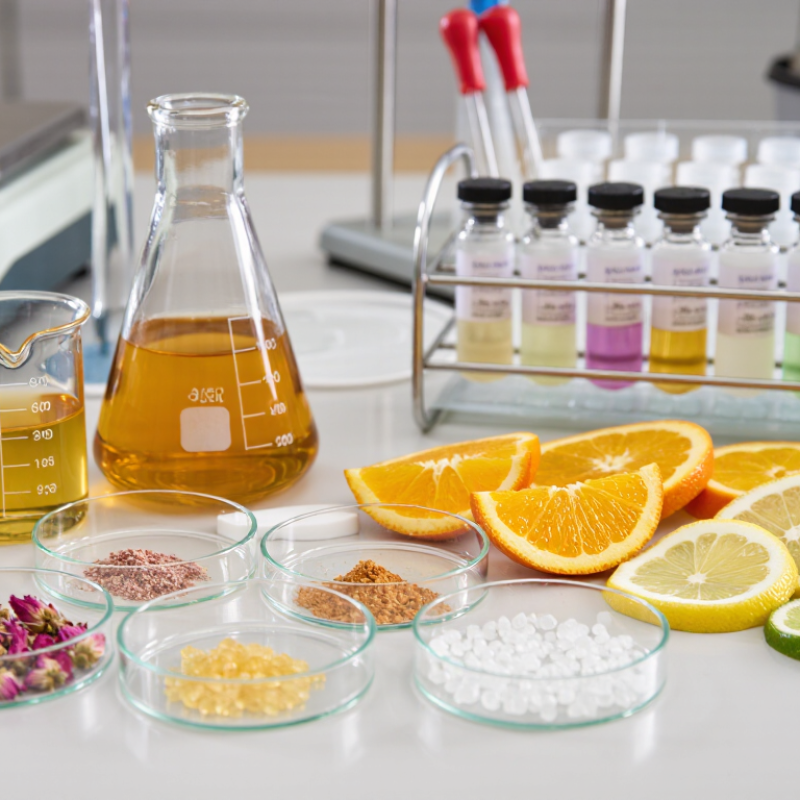
2026 Best Beverage Formulation Ingredients for Global Buyers

What Beverage Formulation Ingredients Are and Why They Matter in 2026

Beverage formulation ingredients are the functional and sensory building blocks inside a drink. They include sweeteners, acids, flavors, colors, stabilizers, minerals, vitamins, and botanical extracts. Each ingredient affects taste, texture, shelf life, processing, or consumer perception. In 2026, global buyers need more than a clean specification sheet. They need reliable documentation, consistent batches, clear allergen statements, and evidence supporting every claim.

Ingredient choices matter because small changes can alter a beverage quickly. A citrus acid may sharpen flavor, while a stabilizer can prevent sediment during storage. Electrolytes may improve nutritional value, but they can also create bitterness. Practical formulation work requires pilot trials at different temperatures and storage times. Lab results are useful. Real samples still reveal problems. A drink can taste excellent on day one and feel flat after six weeks.

Tips: Request certificates of analysis, origin details, and recommended use levels. Check compatibility with your filling process before placing a large order. Compare samples from separate production lots. Test flavor, color, sediment, and viscosity after heat exposure. Do not treat “natural” as automatically better; performance and safety still matter. Global requirements can differ, so qualified regulatory review remains essential. Even experienced teams miss details sometimes, especially when a formula changes quickly. Building a clear testing record helps buyers correct those mistakes before commercial production.

2026 Best Beverage Formulation Ingredients for Global Buyers

What Beverage Formulation Ingredients Are and Why They Matter in 2026

Why These Ingredients Matter

Beverage formulation ingredients determine sweetness, acidity, mouthfeel, stability, nutrition and product positioning. Sugar and high-intensity sweeteners influence taste and energy content, while citric acid supports flavor balance and pH control. Pectin provides texture in selected beverages, and ascorbic acid is widely used for vitamin fortification and antioxidant protection. Caffeine is used in functional and energy beverages, subject to local labeling and regulatory requirements.

The chart shows approximate midpoint use levels from commonly used beverage formulation ranges. Actual levels vary by beverage type, sensory targets, processing conditions and national regulations. These figures are not legal maximums.

How to Classify Ingredients for Different Beverage Applications

2026 Best Beverage Formulation Ingredients for Global Buyers

Classifying beverage ingredients starts with the product’s purpose, not the ingredient list. A clear system reduces formulation errors and improves purchasing decisions.

For carbonated drinks, group ingredients into water bases, sweeteners, acidulants, flavors, colors, and carbonation aids. Each group affects taste, appearance, stability, or filling performance.

Water-soluble ingredients suit clear drinks and powdered mixes. Oil-dispersible ingredients may need emulsifiers or clouding systems. Check dispersion carefully. A bright powder can still form sediment after one week.

For dairy-style beverages, classify proteins, stabilizers, minerals, sweeteners, and flavor systems separately. Proteins can change viscosity and interact with acids. Stabilizers should be assessed under heat, storage, and shaking conditions.

Sports beverages require a different structure: electrolytes, carbohydrates, acids, flavors, and sometimes approved functional ingredients. Botanical drinks need extra attention to bitterness, color fading, and extract solubility. This is often overlooked.

In pilot testing, measure pH, viscosity, sediment, sweetness, and flavor after realistic storage periods.

Suppliers should provide specifications, allergen information, origin data, and applicable compliance documents for each market. Documentation supports reliability, but it does not replace a bench test. A formula that performs well at room temperature may fail in a cold warehouse.

Global buyers should compare ingredients by application, processing tolerance, sensory effect, and total cost in use. The cheapest ingredient is not always the practical choice. Formulation teams should revisit classifications when equipment, packaging, or local regulations change.

Which Ingredients Improve Flavor, Texture, Nutrition, and Stability

2026 Best Beverage Formulation Ingredients for Global Buyers

Which Ingredients Improve Flavor, Texture, Nutrition, and Stability

Successful beverage formulation starts with balance, not a single “best” ingredient. Natural flavors can sharpen fruit, tea, or botanical notes when dosage stays controlled. Acids adjust brightness and help create a clean finish. Sweeteners must match the beverage’s calorie target, aftertaste, and local labeling rules. Small changes matter.

Texture often decides whether consumers take a second sip. Soluble fibers can add body while supporting nutrition claims, if verified carefully. Pectin, gum systems, and other hydrocolloids may improve suspension and mouthfeel. Protein beverages need special attention because heat, minerals, and acidity can cause sediment or separation. A smooth sample today may fail after transport.

Stability needs evidence. Antioxidants can help protect sensitive flavors and colors from oxidation. Buffer systems can maintain pH during storage, but they may alter taste. Global buyers should request specifications, allergen statements, contaminant testing, and clear origin records. Regulatory acceptance varies by market. Do not assume one formula fits every country. Packaging also affects light and oxygen exposure. In pilot trials, testing after heat, cold, and vibration often reveals problems that bench samples hide.

Some compromises are unavoidable. A formulation with excellent nutrition may lose drinkability, while a highly stable beverage may taste slightly processed. Careful sensory panels and shelf-life studies help define the best trade-off.

How Global Buyers Should Evaluate Quality, Compliance, and Suppliers

2026 Best Beverage Formulation Ingredients for Global Buyers

Global buyers should evaluate ingredients beyond price and flavor. The World Health Organization recommends keeping free sugars below 10% of daily energy intake, with benefits below 5%. This benchmark affects sweeteners, concentrates, and finished beverage claims. Request specifications, allergen statements, contaminant limits, and batch-level certificates. Check whether testing follows recognized methods, not only supplier declarations.

Supplier compliance must match the destination market. Review traceability from farm or factory to shipment. Confirm food-safety systems against Codex CXC 1-1969 and ISO 22000 requirements. Packaging also matters. The UNEP Food Waste Index 2024 reported 1.05 billion tonnes of food waste in 2022, equal to 19% of food available to consumers. Concentrated ingredients, stable formats, and practical pack sizes may reduce waste. However, sustainability claims need evidence. Vague language can create regulatory risk.

Tips: Build a weighted scorecard. Include identity, purity, microbiology, documentation, lead time, and supply resilience. Audit samples under realistic storage conditions. Ask for two recent certificates, not one perfect file. A supplier may pass paperwork but fail during heat exposure. That weakness deserves attention. Do not ignore smaller producers; their quality can be strong, but their documentation may need development.

What Trends Are Shaping Beverage Ingredient Sourcing Worldwide

Global beverage buyers are changing how they evaluate formulation ingredients. In recent sourcing projects, we have seen stronger demand for recognizable botanicals, natural colors, low-sugar systems, and plant-based proteins. Buyers now ask for more than a sample and price. They request origin records, allergen statements, stability data, and clear certificates of analysis. Traceability is becoming a practical requirement, not a marketing phrase.

Climate pressure is also reshaping ingredient decisions. Unstable harvests can affect fruit powders, tea extracts, spices, and natural sweeteners. Some procurement teams are testing regional alternatives or dual-source plans before shortages occur. This approach improves resilience, but it can increase formulation work. The same ingredient may differ in color, aroma, solubility, or sweetness between seasons. Small bench trials matter.

Functionality remains important, especially for hydration, energy, digestive support, and everyday wellness beverages. Yet buyers are becoming more careful with evidence and permitted claims. Technical teams should review dosage, interactions, shelf-life performance, and local regulations before commercial approval. Clean labels can attract consumers, but they do not automatically guarantee better taste or stability. That assumption deserves questioning.

Cost still matters. Very much. However, the lowest unit price may create higher costs through waste, reformulation, or delayed delivery. Reliable suppliers provide consistent specifications, responsive technical support, and realistic lead times. These details often influence global sourcing decisions more than a polished product presentation.

2026 Best Beverage Formulation Ingredients for Global Buyers
What Trends Are Shaping Beverage Ingredient Sourcing Worldwide
Ingredient / Category Primary Formulation Role Common Beverage Applications Global Sourcing Direction for 2026 Key Procurement Criteria Formulation and Regulatory Notes
Steviol Glycosides
High-intensity sweetener
Reduces sugar and calorie content while providing strong sweetness. Carbonated soft drinks, flavored water, powdered drink mixes, dairy and plant-based beverages. Demand is moving toward more purified glycoside profiles, improved taste masking and traceable botanical sourcing. Glycoside composition, bitterness control, batch consistency, origin documentation and supply continuity. Use levels are very low and require accurate dosing. Maximum permitted use and labeling requirements vary by market.
Monk Fruit Extract
High-intensity sweetener
Provides sweetness and supports reduced-sugar formulation strategies. Juice drinks, functional beverages, ready-to-drink teas, sports drinks and low-sugar formulations. Buyers are prioritizing supply diversification, standardized mogroside content and blends that improve sweetness balance. Mogroside concentration, flavor profile, solubility, adulteration controls and country-specific approval status. Often combined with other sweeteners or bulking agents. Regulatory acceptance and naming conventions differ across regions.
Soluble Corn Fiber
Dietary fiber
Adds fiber, body and mild sweetness while helping formulate reduced-sugar beverages. Prebiotic drinks, nutrition beverages, meal replacements and fortified waters. Interest is increasing in transparent fiber claims, low-turbidity systems and ingredients with documented digestive tolerance. Fiber content, viscosity, clarity, digestive tolerance, carrier solids, allergen status and supply-chain traceability. High inclusion levels may affect osmolality, sweetness and mouthfeel. Fiber declaration rules vary by jurisdiction.
Inulin and Fructooligosaccharides
Prebiotic fiber
Provides dietary fiber, mild sweetness and prebiotic functionality. Functional waters, powdered nutrition drinks, dairy beverages and plant-based drinks. Sourcing is shifting toward shorter, more understandable ingredient lists and improved tolerance through controlled use levels. Degree of polymerization, solubility, microbiological quality, sensory performance and documentation for prebiotic claims. Excessive intake may cause gastrointestinal discomfort in sensitive consumers. Heat and acidity can influence stability.
Pectin
Hydrocolloid and stabilizer
Stabilizes emulsions and suspensions, improves mouthfeel and helps manage pulp or protein particles. Juice beverages, acidic dairy drinks, fruit preparations and plant-based beverages. Buyers are seeking citrus-derived materials, reliable functionality across acidic systems and improved supply transparency. Degree of esterification, gel strength, hydration behavior, ash content, acidity tolerance and lot-to-lot performance. Selection depends on pH, soluble-solids content, processing temperature and desired viscosity or suspension stability.
Gellan Gum
Suspension aid
Suspends particles and stabilizes beverages at very low use levels. Plant-based milks, fortified waters, juice drinks and beverages containing minerals or botanical particles. Demand is linked to clean-label positioning, stable particle suspension and lower-viscosity beverage formats. Hydration profile, ion sensitivity, dispersion method, microbial specifications and compatibility with processing conditions. Small dosage changes can significantly affect texture. Calcium and other minerals may alter network formation.
Acacia Gum
Emulsifier and soluble fiber
Supports flavor-oil emulsions, mouthfeel and soluble-fiber content. Citrus beverages, soft drinks, energy drinks and powdered beverage systems. Global buyers increasingly evaluate ethical harvesting, origin traceability, drying technology and consistent emulsification performance. Emulsion capacity, microbiological quality, viscosity, insoluble matter, origin records and organic certification where required. Performance depends on flavor-oil type, homogenization energy, solids level and storage conditions.
Natural Color Concentrates
Anthocyanins, carotenoids and betalains
Provides visual differentiation using color sources obtained from plants or other natural materials. Fruit drinks, botanical beverages, sports drinks, teas and functional beverages. Sourcing is moving toward clean-label color systems with improved light, heat and pH stability. Shade strength, stability data, carrier system, heavy-metal limits, microbiological quality and regional labeling status. Color performance is highly dependent on pH, oxygen, light, heat and interactions with minerals or preservatives.
Electrolyte Minerals
Sodium, potassium, magnesium and calcium salts
Replenishes selected minerals and supports electrolyte positioning. Sports drinks, hydration powders, enhanced waters and medical or nutrition beverages. Buyers are emphasizing fast dissolution, lower mineral taste, transparent dosage communication and flexible premix formats. Elemental mineral content, solubility, particle size, impurity profile, hygroscopicity and compatibility with acids and sweeteners. Mineral salts can affect pH, clarity, flavor and sedimentation. Nutrition claims must meet local compositional criteria.
Ascorbic Acid
Vitamin and antioxidant
Fortifies beverages with vitamin C and can help limit oxidative changes in some formulations. Juice drinks, functional waters, powdered beverages and nutritional formulations. Procurement is increasingly focused on verified potency, low-contaminant specifications and stable premix handling. Assay, particle size, moisture, heavy metals, packaging protection and stability under the target processing conditions. Vitamin C can degrade with heat, oxygen, light and certain metal ions. Final claim levels require shelf-life validation.
Postbiotic Preparations
Heat-treated microbial preparations or components
Supports functional-beverage concepts where live-cell stability is difficult to maintain. Functional waters, wellness shots, nutrition drinks and powdered beverage mixes. Sourcing is trending toward defined compositions, documented stability and clearer substantiation for consumer communications. Identity, processing history, marker compounds, stability, contaminant controls and evidence supporting permitted claims. The term and claim framework are not harmonized worldwide. Regulatory review is required before commercial launch.
Natural Flavors and Botanical Extracts
Flavor system
Creates recognizable taste profiles and supports botanical or premium sensory positioning. Ready-to-drink teas, sparkling waters, functional drinks, juice beverages and botanical infusions. Buyers are requesting regional flavor adaptation, natural-origin documentation, allergen control and more resilient raw-material supply. Sensory consistency, solvent or carrier declaration, pesticide residues, allergen status, traceability and heat or light stability. Botanical ingredients may interact with medicines or carry market-specific restrictions. Claims must be separated from flavor descriptions.
Natural Acids
Citric, malic and lactic acids
Controls acidity, balances sweetness, supports flavor definition and contributes to microbial stability. Soft drinks, juices, sports drinks, energy drinks and fermented or cultured beverages. Global procurement is prioritizing food-grade consistency, lower-carbon production options and acid systems tailored to specific taste profiles. Purity, acidity strength, sensory profile, particle size, moisture, packaging and compatibility with minerals and preservatives. Acid selection affects pH, flavor, enamel-related consumer messaging and preservative performance. Finished-product testing is essential.
Procurement note: Ingredient suitability depends on the beverage matrix, target market, processing conditions, dosage, labeling rules and required shelf life. Buyers should verify current specifications, certificates of analysis and regulatory acceptance before approval.

FAQS

What are beverage formulation ingredients?

They are the functional and sensory parts inside a drink. They include sweeteners, acids, flavors, colors, stabilizers, minerals, vitamins, and botanical extracts. Each one can affect taste, texture, nutrition, processing, or shelf life.

Why do small ingredient changes matter?

A small acid adjustment can make citrus flavor brighter. A stabilizer can reduce sediment during storage. Electrolytes may improve nutrition but add bitterness. Tiny changes matter.

Which ingredients can improve beverage texture?

Soluble fibers can add body and support verified nutrition claims. Pectin and hydrocolloids may improve suspension and mouthfeel. Protein drinks need extra testing because heat, minerals, and acidity can cause separation.

How can buyers evaluate ingredient quality?

Request specifications, origin details, allergen statements, and batch certificates. Review purity, microbiology, contaminant limits, and recommended use levels. Compare samples from different production lots. One sample is not enough.

What stability tests should a beverage undergo?

Test samples after heat, cold, vibration, and extended storage. Check flavor, color, sediment, viscosity, and separation. A drink may taste excellent on day one but fail after six weeks. Real samples reveal more.

How should buyers assess supplier reliability?

Use a weighted scorecard for quality, documentation, lead time, and supply resilience. Check traceability from production to shipment. Ask for recent certificates instead of one perfect file. Paperwork can look stronger than performance.

Does “natural” always mean better?

Not necessarily. Performance, safety, stability, and local requirements still matter. A natural ingredient may create sediment or a weaker flavor. The better choice depends on the complete formula.

Why must packaging be included in formulation testing?

Packaging controls exposure to light, oxygen, heat, and vibration. These factors can damage colors, flavors, and sensitive nutrients. A stable laboratory sample may change during transport. That risk is easy to underestimate.

Can one beverage formula serve every market?

Not reliably. Labeling, permitted ingredients, allergen rules, and claim requirements can differ by country. Qualified regulatory review remains important. Even experienced teams miss details when formulas change quickly.

Conclusion

Beverage Formulation Ingredients are the essential components used to design beverages with the desired taste, texture, nutritional profile, appearance, and shelf stability. In 2026, formulators and buyers must understand how to classify ingredients according to application, including soft drinks, functional beverages, dairy alternatives, sports nutrition products, ready-to-drink beverages, and low- or no-sugar formulas. Sweeteners, flavors, colors, acidulants, stabilizers, emulsifiers, proteins, fibers, vitamins, minerals, and botanical extracts each serve specific technical and sensory purposes.

For global buyers, ingredient selection should balance performance, quality, traceability, regulatory compliance, documentation, supply reliability, and total cost. Suppliers should be evaluated through clear specifications, consistent testing, transparent sourcing, and dependable communication. Worldwide sourcing trends are increasingly shaped by clean-label expectations, reduced sugar, plant-based nutrition, sustainable production, convenient formats, personalized nutrition, and demand for recognizable ingredients. A successful formulation strategy combines consumer preferences with technical functionality, safety, and adaptability across different markets.

Charlotte

Charlotte

Charlotte is a dedicated marketing professional with a deep expertise in the company's product offerings. With a keen eye for detail and a passion for innovation, she consistently keeps our company's website updated with insightful blog articles that showcase both her knowledge and the core......